
IVF AND IUI
Lifestyle for Fertility: A Complete Guide for Couples Trying to Conceive in Chennai
Discover evidence-based lifestyle for fertility tips covering diet, weight, sleep, stress, and male factors. Practical advice for couples trying to conceive in
- Home
- Journal
- ivf and iui
- Lifestyle for Fertility: Complete Guide for Chennai Couples

Key takeaways
- According to a 2020 review published via doi.org, lifestyle factors including diet, physical activity, smoking, alcohol, stress, sleep, and weight all have significant associations with fecundity and fertility treatment outcomes in both men and women.
- A Mediterranean dietary pattern rich in monounsaturated fats, fruits, vegetables, and whole grains is associated with increased pregnancy chances and better embryo quality, according to research published in Frontiers in Endocrinology (2024).
- Smoking damages gamete DNA, impairs hormonal regulation, and reduces IVF success rates; male partner smoking also adversely affects embryo quality and pregnancy rates.
- Poor sleep impairs semen quality and menstrual regularity, while adequate circadian rhythm regulation supports normal reproductive hormone secretion in both partners.
- A Chennai-based study found that delays in seeking fertility treatment exceed three years on average, driven by stigma, financial barriers, and poor work-life balance, making early lifestyle action and timely specialist consultation especially important.
The short answer
Lifestyle for fertility covers the modifiable daily habits that most directly influence a couple's chances of conceiving: body weight, diet, physical activity, sleep, stress levels, and avoidance of smoking and alcohol. Research confirms that these factors affect ovulation, sperm quality, and IVF outcomes in both partners. Making targeted changes before trying to conceive gives the best foundation for a healthy pregnancy.
01Lifestyle for Fertility: How to Prepare Before Trying to Conceive
Lifestyle for fertility refers to the set of daily habits, both partners can adjust before trying to conceive, to give conception the best possible chance. These include what you eat, how much you move, how well you sleep, how you manage stress, and whether you smoke or drink. The evidence is clear: these factors influence ovulation, sperm production, and the outcomes of assisted treatments such as IVF.
The preconception window, typically three to six months before actively trying, is the most valuable time to act. Eggs and sperm take roughly 90 days to mature, so changes made today will be reflected in the gametes available next cycle. Starting early also gives couples time to identify any underlying issues through ovarian reserve testing or semen analysis before they become obstacles.
According to a 2020 review in Fertility and Sterility Reviews, lifestyle factors including diet, physical activity, smoking, alcohol, stress, sleep, environmental exposures, and weight all have significant associations with fecundity and fertility treatment outcomes in both men and women. This article translates that evidence into practical steps for couples in Chennai.
02Why Does Lifestyle for Fertility Matter Specifically for Couples in Chennai?
Lifestyle for fertility carries particular weight in Chennai because local social and environmental pressures create barriers that couples elsewhere may not face to the same degree. A study published in 2024 found that social stigma, lack of spouse cooperation, financial burden, geographical barriers, fatalistic attitudes, and poor work-life balance all delay timely initiation of fertility treatment among infertile couples in Chennai, with average delays exceeding three years according to research in the Universal Journal of Public Health.
Chennai's rapid urbanisation brings additional pressures: long commutes, irregular meal times, high-stress IT and corporate work cultures, and exposure to traffic-related air pollution. These are not abstract risks. Environmental pollutants including heavy metals such as lead and cadmium, endocrine disruptors such as bisphenol A (BPA) and phthalates, and particulate air pollution are all documented to negatively affect ovarian reserve and sperm quality.
Understanding these local realities means that a lifestyle for fertility plan in Chennai needs to be practical and culturally grounded, not simply a list of Western dietary guidelines. The sections below address each factor with that context in mind.
03What Are the Key Lifestyle Factors That Impact Fertility?
The key lifestyle factors that impact fertility are body weight, diet, physical activity, sleep, stress, smoking, alcohol, and environmental exposures. These factors affect both partners and interact with each other: poor sleep worsens stress, stress disrupts eating habits, and excess weight amplifies hormonal imbalances caused by all of the above.
Importantly, these are modifiable. Unlike age or genetic factors, each one can be improved with deliberate effort. The 2020 Fertility and Sterility Reviews analysis confirmed that all of these domains carry measurable associations with fertility outcomes, making a whole-lifestyle approach more effective than targeting any single factor in isolation.
- Lifestyle Factor: Body weight · Effect on Female Fertility: Disrupts ovulation and hormonal balance · Effect on Male Fertility: Impairs testicular function and sperm DNA integrity
- Lifestyle Factor: Diet quality · Effect on Female Fertility: Influences egg quality and implantation · Effect on Male Fertility: Affects sperm count and motility
- Lifestyle Factor: Physical activity · Effect on Female Fertility: Supports ovulatory function · Effect on Male Fertility: Improves semen parameters
- Lifestyle Factor: Sleep · Effect on Female Fertility: Regulates menstrual cycle hormones · Effect on Male Fertility: Poor sleep reduces sperm quality
- Lifestyle Factor: Stress · Effect on Female Fertility: Disrupts GnRH and ovulation · Effect on Male Fertility: Impairs spermatogenesis
- Lifestyle Factor: Smoking · Effect on Female Fertility: Damages egg DNA, reduces ovarian reserve · Effect on Male Fertility: Reduces sperm count and embryo quality
- Lifestyle Factor: Alcohol · Effect on Female Fertility: Impairs hormonal regulation · Effect on Male Fertility: Reduces testosterone and sperm motility
- Lifestyle Factor: Environmental toxins · Effect on Female Fertility: Reduces ovarian reserve · Effect on Male Fertility: Damages sperm DNA
04How Does Body Weight Affect Fertility?
Both overweight and underweight status disrupt fertility by altering the hormonal signals that govern ovulation and sperm production. According to the 2020 Fertility and Sterility Reviews study, overweight and obesity negatively impact fertility in both women and men by disrupting hormonal balance, impairing ovarian and testicular function, reducing sperm DNA integrity, and lowering IVF success rates.
For women, excess adipose (fat) tissue converts androgens into oestrogen, creating a hormonal environment that suppresses ovulation. This is particularly relevant for women with PCOS, where weight gain amplifies insulin resistance and worsens the hormonal imbalance already present. Even a modest weight reduction of 5–10% of body weight can restore ovulatory cycles in many women.
For men, obesity raises scrotal temperature and increases oestrogen relative to testosterone, both of which reduce sperm quality. The same review notes that evidence for IVF outcome improvement following weight loss is mixed, which is why weight management should begin well before any assisted treatment cycle rather than immediately before it.
The goal is a sustainable, balanced approach: gradual weight loss through dietary adjustment and moderate exercise, not crash dieting, which can itself stress the body and worsen hormonal balance. Your consultant at Jananam will assess your body mass index (BMI) and waist circumference as part of a preconception review and advise on realistic targets.
05What Should You Eat to Support a Fertility-Focused Lifestyle?
A fertility-supportive diet is one that is rich in antioxidants, healthy fats, whole grains, and plant proteins, while limiting processed foods, refined sugars, and trans fats. According to a 2024 review in Frontiers in Endocrinology, a Mediterranean dietary pattern rich in monounsaturated fats, fruits, vegetables, whole grains, and olive oil is associated with increased pregnancy chances and better embryo quality.
For couples in Chennai, this translates well to traditional South Indian eating patterns with some adjustments. Millets such as ragi and kambu, lentils and legumes (dal, rajma, chana), leafy greens such as drumstick leaves (moringa) and spinach, sesame seeds, and cold-pressed coconut or sesame oil all align with the principles of a fertility-supportive diet. Replacing white rice with brown rice or millets at one meal per day is a practical starting point.
Key nutrients to prioritise include folate (found in green leafy vegetables and lentils), iron, zinc, omega-3 fatty acids (from flaxseed, walnuts, and fatty fish in moderation), and vitamin D. The 2024 Frontiers in Endocrinology review also notes that excessive fish intake may have negative effects, possibly due to pollutant accumulation, so two to three portions per week is a reasonable upper limit.
Antioxidant-rich foods, including tomatoes, amla (Indian gooseberry), turmeric, and berries, help protect egg and sperm cells from oxidative damage. Reducing ultra-processed snacks, sugary drinks, and deep-fried street food supports both weight management and hormonal balance.
06How Much Exercise Is Right for Fertility?
Moderate physical activity improves fertility by supporting hormonal balance, reducing insulin resistance, and improving body composition. According to the 2020 Fertility and Sterility Reviews analysis, moderate physical activity is associated with improved ovulatory function, hormonal profile, semen quality, and fertility outcomes, while sedentary behaviour correlates with infertility and excessive vigorous exercise may be detrimental.
For most couples, 150 minutes of moderate-intensity activity per week is a practical target. This could be brisk walking along the Marina Beach promenade, yoga, swimming, or cycling. Yoga is particularly well-suited to the Chennai lifestyle for fertility context because it combines physical activity with stress reduction, addressing two fertility factors simultaneously.
Women with endometriosis or those recovering from surgery should discuss exercise intensity with their consultant before starting a new programme. Men should avoid prolonged cycling on narrow saddles, which raises scrotal temperature and can temporarily reduce sperm quality. Gym-based high-intensity interval training (HIIT) more than five days per week has been associated with disrupted menstrual cycles in some women, so balance is key.
07How Does Stress Affect Fertility, and What Can You Do About It?
Psychological stress impairs fertility through a direct hormonal pathway. According to the 2020 Fertility and Sterility Reviews review, stress activates the hypothalamic-pituitary-adrenal (HPA) axis, disrupting gonadotropin-releasing hormone (GnRH) secretion and leading to hormonal imbalances that impair ovulation and sperm production (spermatogenesis). In plain terms: chronic stress can suppress the very hormones needed to conceive.
Mindfulness-based interventions and psychosocial support may reduce distress during fertility treatment, though a 2023 study in Human Reproduction notes that their effect on live birth rates remains inconclusive. The benefit is real for emotional wellbeing even where the direct effect on conception rates is still being studied.
Practical stress management strategies suited to busy Chennai couples include: a 10-minute guided meditation before bed using a free app, setting a firm boundary on work emails after 9 pm, scheduling one shared activity per week that has nothing to do with fertility, and speaking openly with a counsellor if the trying-to-conceive journey is affecting your relationship or mental health. The team at Jananam can refer couples to fertility-aware counsellors as part of an integrated care plan.
- Diaphragmatic breathing for five minutes after a stressful commute lowers cortisol quickly.
- Yoga nidra (yogic sleep) is a low-effort, high-impact relaxation technique widely available in Chennai studios.
- Journalling about fertility worries, rather than suppressing them, has been shown to reduce anxiety in couples undergoing treatment.
- Couples who attend consultations together report lower stress scores than those who attend alone.
08Why Does Sleep Matter for a Fertility-Focused Lifestyle?
Sleep is a foundational pillar of lifestyle for fertility because reproductive hormones, including luteinising hormone (LH), follicle-stimulating hormone (FSH), and melatonin, are secreted in a circadian rhythm that depends on consistent, adequate sleep. According to the 2020 Fertility and Sterility Reviews analysis, poor sleep impairs semen quality and menstrual regularity, while melatonin acts as an antioxidant that promotes oocyte (egg) quality.
Most adults need 7–9 hours of sleep per night. Night-shift workers, IT professionals working across time zones, and anyone regularly sleeping fewer than six hours are at measurable reproductive disadvantage. Disrupted circadian rhythms, common in Chennai's 24-hour work culture, suppress melatonin production and raise cortisol, compounding the stress-related hormonal disruption described above.
Practical improvements include keeping a consistent sleep and wake time seven days a week, avoiding screens for 30–60 minutes before bed, keeping the bedroom cool (Chennai's heat is a genuine barrier), and limiting caffeine after 2 pm. If you suspect a sleep disorder such as obstructive sleep apnoea, which is associated with both obesity and reduced testosterone, discuss this with your doctor before starting fertility treatment.
09How Do Smoking and Alcohol Affect Fertility?
Smoking and alcohol are among the most clearly documented lifestyle threats to fertility in both partners. According to the 2020 Fertility and Sterility Reviews review and the 2024 Frontiers in Endocrinology study, smoking deteriorates fertility by causing gamete DNA damage, impairing hormonal regulation, and reducing IVF success rates; male partner smoking adversely affects embryo quality and pregnancy rates; and alcohol and recreational drugs similarly impair reproductive function.
For women, smoking accelerates ovarian ageing and reduces ovarian reserve, meaning a smoker in her early thirties may have the ovarian reserve of a non-smoker several years older. This is directly relevant to egg freezing decisions and to IVF stimulation response. Passive smoking carries similar, if smaller, risks.
For men, smoking reduces sperm count, motility (movement), and morphology (shape), and increases sperm DNA fragmentation. Couples considering ICSI should be aware that high sperm DNA fragmentation can reduce fertilisation rates even with this technique. Alcohol at more than 14 units per week for women and 21 units per week for men is associated with reduced fertility; the safest approach during the preconception period is to avoid alcohol entirely.
Cessation support is available through government programmes and private counsellors in Chennai. Your consultant at Jananam will ask about smoking and alcohol as part of the initial assessment and can direct you to appropriate support.
10What Environmental and Occupational Factors in Chennai Affect Fertility?
Environmental exposures are an underappreciated component of lifestyle for fertility, particularly in a rapidly urbanising city like Chennai. According to the 2020 Fertility and Sterility Reviews analysis, environmental pollutant exposures including heavy metals (lead, cadmium), endocrine disruptors (bisphenol A and phthalates), and air pollution negatively impact ovarian reserve, sperm quality, and IVF outcomes; occupational exposures and electromagnetic fields may also contribute to infertility.
BPA is found in hard plastic food containers and the lining of canned foods. Phthalates are present in many personal care products, synthetic fragrances, and flexible plastics. Practical steps to reduce exposure include switching to glass or stainless-steel food containers, choosing fragrance-free personal care products, and avoiding heating food in plastic containers.
Occupational risks are relevant for couples working in manufacturing, printing, agriculture, or chemical industries, where solvent, pesticide, or heavy metal exposure may be higher. If either partner works in such an environment, mention this at your first consultation. Air quality in Chennai varies by area and season; on high-pollution days, wearing an N95 mask during outdoor exercise is a reasonable precaution, particularly for women with low ovarian reserve.
11What Preconception Medical Checks and Supplements Support Fertility?
Preconception medical checks establish a baseline before trying to conceive and identify any conditions that could be treated or optimised in advance. According to a review published in BMC Pregnancy and Childbirth, baseline assessments should include metabolic, hormonal, and semen analyses; supplementation with folic acid and vitamin D is recommended for women; and antioxidant and micronutrient supplementation in men may improve semen parameters, though evidence on fertility outcomes is limited.
For women, key checks include AMH (anti-Mullerian hormone) to assess ovarian reserve, a thyroid function test, a rubella immunity screen, a cervical smear if due, and a pelvic ultrasound to look for fibroids, ovarian cysts, or signs of endometriosis. Folic acid at 400 micrograms per day should be started at least one month before trying to conceive and continued through the first trimester. Women with a BMI above 30 or a family history of neural tube defects may be advised a higher dose of 5 mg per day.
For men, a semen analysis is the single most informative first test. If results are borderline, sperm DNA fragmentation testing provides additional detail. Antioxidant supplements including vitamin C, vitamin E, coenzyme Q10, and zinc are commonly recommended to support sperm quality, though your consultant will advise on specific formulations based on your results.
Vitamin D deficiency is common in urban India despite abundant sunshine, because most people spend the majority of their day indoors. A simple blood test will confirm your level; supplementation at 1,000–2,000 IU per day is typically recommended if levels are below 50 nmol/L.
12What Is the Partner's Role in Lifestyle for Fertility?
Male fertility is a shared responsibility, not an afterthought. According to the BMC Pregnancy and Childbirth review, male infertility accounts for a significant fraction of couple infertility, and including men in lifestyle interventions improves mutual support, adherence, and potentially reproductive outcomes. Male obesity, smoking, and stress all disrupt sperm quality and DNA integrity.
When both partners make lifestyle changes together, adherence is significantly higher than when one partner acts alone. This is particularly relevant in Chennai, where the 2024 study identified lack of spouse cooperation as a specific barrier to fertility care. Framing lifestyle for fertility as a joint project, rather than a female responsibility, changes the dynamic and the outcome.
Men should aim for the same dietary, exercise, sleep, and substance-avoidance targets described above. Scrotal heat is a specific male concern: avoiding hot baths, saunas, and tight underwear for the 90-day sperm maturation cycle is a simple, evidence-consistent step. Men with concerns about low sperm count should seek assessment promptly rather than waiting to see whether natural conception occurs.
13When Should Couples in Chennai Seek Fertility Specialist Help?
Couples should seek specialist help after 12 months of regular unprotected intercourse if the woman is under 35, or after six months if she is 35 or older. However, several situations warrant earlier consultation, and the Chennai-specific research makes a strong case for not waiting: the 2024 Universal Journal of Public Health study found that delays in seeking fertility treatment exceed three years on average in Chennai, driven by stigma and accessibility challenges, and that early consultation with integrated lifestyle and psychological support is needed.
Jananam Fertility Centre is a single-speciality fertility clinic in Neelankarai, Chennai, treating infertility only. The team has over two decades of combined experience in reproductive medicine, and the clinic's Certified Cleanroom Lab is particularly relevant for couples with low ovarian reserve or poor sperm quality, where laboratory conditions directly influence outcomes. The team takes a holistic approach, integrating dietary, psychological, and lifestyle assessment alongside clinical investigation.
If you have been making lifestyle changes for three to six months without a positive result, or if you have a known condition such as PCOS, unexplained infertility, or a history of recurrent miscarriage, a consultation will clarify whether additional investigation or treatment is appropriate. Early action is always better than prolonged waiting.
14How Jananam Fertility Centre Supports Your Lifestyle for Fertility Journey
Jananam Fertility Centre offers an integrated, multidisciplinary approach to lifestyle for fertility that goes beyond a standard clinical consultation. According to the BMC Pregnancy and Childbirth review, offering integrated multidisciplinary assessment addressing diet, exercise, mental health, addiction, and personalised lifestyle intervention improves patient engagement and reproductive outcomes.
At Jananam, your initial assessment covers hormonal and metabolic blood tests, semen analysis, pelvic ultrasound, and a detailed lifestyle history for both partners. The team will identify which factors are most likely to be affecting your fertility and build a personalised plan that is realistic for your working life in Chennai. Counselling referrals, supplement guidance, and follow-up reviews are part of the same care pathway.
The Certified Cleanroom Lab at Jananam maintains the controlled environment that matters most when egg or sperm quality is already compromised by lifestyle or age-related factors. For couples who need donor egg IVF or pre-implantation genetic testing, the same laboratory standards apply. To find out more about the clinic's approach, visit the why choose Jananam page.
When to call us
- You have been trying to conceive for 12 months without success (or six months if you are 35 or older).
- You have irregular or absent periods, which may indicate an ovulatory problem.
- You or your partner have a known condition such as PCOS, endometriosis, or a previous diagnosis of low sperm count.
- You have had two or more miscarriages.
- A semen analysis has returned abnormal results and you are unsure what to do next.
- You have made consistent lifestyle changes for three to six months and have not yet conceived.
Questions couples ask
How long before trying to conceive should we start making lifestyle changes?
Ideally three to six months before actively trying. Eggs and sperm each take approximately 90 days to mature, so changes made today will be reflected in the gametes available next cycle. Starting earlier also allows time for preconception blood tests and any necessary treatment.
Can lifestyle changes alone be enough to improve fertility, or do we always need treatment?
For some couples, particularly those with mild hormonal imbalances, borderline semen parameters, or weight-related ovulatory dysfunction, targeted lifestyle changes can restore natural fertility. For others, lifestyle optimisation improves the response to assisted treatments such as IVF or IUI. A specialist assessment will clarify which category applies to you.
Does stress really stop you from getting pregnant?
Chronic psychological stress activates the HPA axis, which disrupts the hormonal signals controlling ovulation and sperm production. This is a real physiological mechanism, not just a saying. However, stress is rarely the sole cause of infertility. Managing stress is one important component of a broader lifestyle for fertility plan.
Is it safe to exercise during fertility treatment?
Moderate exercise such as walking, yoga, and swimming is generally safe and beneficial during most fertility treatments. High-intensity exercise should be reduced or paused during ovarian stimulation for IVF, as enlarged ovaries carry a small risk of torsion. Your consultant will give specific guidance based on your treatment protocol.
Do both partners need to make lifestyle changes, or just the woman?
Both partners benefit from lifestyle changes. Male fertility accounts for a significant proportion of couple infertility, and sperm quality is directly affected by weight, smoking, alcohol, sleep, and stress. Research also shows that couples who make changes together have better adherence and outcomes than those where only one partner acts.
What supplements should I take before trying to conceive?
Women are advised to take folic acid at 400 micrograms per day from at least one month before trying to conceive, and vitamin D if blood levels are low. Men may benefit from antioxidant supplements including vitamin C, vitamin E, coenzyme Q10, and zinc if semen analysis shows reduced parameters. Always confirm supplement choices with your doctor, as needs vary by individual test results.
Not the question you had?
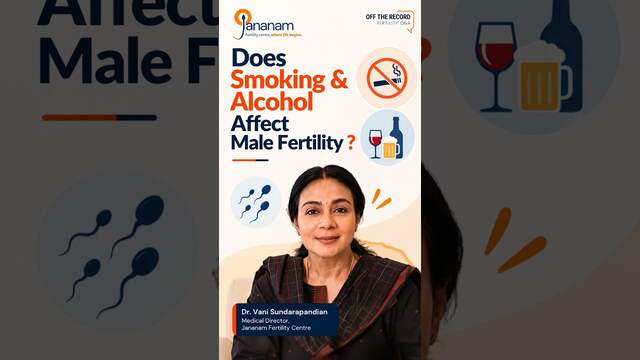
The questions people don't ask with their partner sitting beside them, answered by Dr Vani Sundarapandian.


Reviewed by
Dr Vani Sundarapandian
MD, DGO, FRCOG (UK) · Founder, Jananam Fertility Centre
Published by the Jananam team. Waiting for review by Dr Vani Sundarapandian, MD, DGO, FRCOG (UK)
Sources (6)
- Lifestyle factors and reproductive health: taking control of your fertility. Fertility and Sterility Reviews, 2020.
- Dietary patterns and IVF outcomes: Mediterranean diet and fertility. Frontiers in Endocrinology, 2024.
- Barriers to fertility treatment among infertile couples in Chennai. Universal Journal of Public Health, 2024.
- Preconception care: a systematic review of outcomes. BMC Pregnancy and Childbirth, 2020.
- Psychosocial interventions and fertility treatment outcomes. Human Reproduction, 2023.
- Blended preconception lifestyle programme in couples undergoing IVF. Human Reproduction Open, 2023.
Weight Loss and Fertility: Proven Strategies for Chennai
Weight loss and fertility are closely connected: excess body weight disrupts ovulation, lowers sperm quality, and reduces the success of fertility treatments.
Emotional Impact of Infertility: Guide for Chennai Couples
The emotional impact of infertility includes clinically significant anxiety, depression, grief, guilt, and social isolation.
Second Opinion on Fertility Treatment: Complete Guide |
A second opinion on fertility treatment means consulting a different reproductive specialist to review your diagnosis, test results, and treatment plan.
Secondary Infertility in Chennai: Causes and Emotions
Secondary infertility in Chennai refers to the inability to conceive or carry a pregnancy to term after previously having a biological child.
Thyroid Dysfunction and Infertility
Thyroid dysfunction and infertility are directly connected: hypothyroidism disrupts ovulation, alters menstrual cycles, raises prolactin levels, and reduces the chances of a successful pregnancy.
Unexplained Infertility: Is IVF the Only Option?
No. When every test is normal but pregnancy has not happened, the diagnosis is unexplained infertility, and IVF is one option among several.
Not sure where your lifestyle for fertility journey should start?
A single preconception assessment covering hormonal, metabolic, and semen tests will show exactly which factors need attention for both of you.
Sex selection is prohibited in India under the PCPNDT Act, 1994 and the ART Act, 2021.