
IVF AND IUI
When Will You Ovulate After a Chemical Pregnancy? A Complete Guide
Find out when you will ovulate after a chemical pregnancy, what causes it, how to track your cycle, and when to try again. Evidence-based guidance from Jananam
- Home
- Journal
- ivf and iui
- Ovulate After a Chemical Pregnancy: What to Expect

Key takeaways
- Ovulation typically returns around 29 days after a chemical pregnancy, meaning most women can expect to ovulate within approximately 4 weeks of the loss.
- Chemical pregnancies account for 13–22% of conceptions in fertile populations and 22–31% in IVF patients, making them the most common form of early pregnancy loss.
- Chromosomal abnormalities in the embryo and maternal factors such as a thin endometrium (under 9 mm) are among the recognised causes of chemical pregnancy.
- Trying to conceive in the cycle immediately after a chemical pregnancy is considered safe; research shows that interpregnancy intervals shorter than six months are not linked to worse outcomes and may actually reduce miscarriage and preterm birth risk.
- Persistent elevation of hCG after a chemical pregnancy can indicate an ectopic pregnancy and requires prompt medical assessment.
The short answer
Most women ovulate after a chemical pregnancy within approximately 4 weeks of the loss. Research shows ovulation typically resumes around 29 days post-miscarriage, before the first period arrives. Because the hormonal disruption is brief, the body recovers quickly. Trying to conceive in the very next cycle is considered safe, and shorter interpregnancy intervals are not associated with worse outcomes.
01What is a Chemical Pregnancy?
A chemical pregnancy is a very early pregnancy loss in which a blood or urine test detects a rise in beta-hCG (the pregnancy hormone) above 5 IU/L, but no gestational sac is ever visible on ultrasound. It occurs before 5 weeks of amenorrhea and is recognised by the European Society of Human Reproduction and Embryology (ESHRE) as the earliest clinical form of miscarriage. According to a 2023 review published via doi.org, the term describes a biochemical pregnancy (BP) that resolves before any structural pregnancy can be confirmed by imaging.
The name can feel clinical and dismissive, but the experience is real. Many women describe the same grief and confusion that follows a later miscarriage, and that response is entirely valid. Understanding what happened biologically is often the first step toward deciding what to do next.
02How Common is Chemical Pregnancy?
Chemical pregnancies are the most frequent type of early pregnancy loss. According to a 2023 review in the biochemical pregnancy literature, they occur in 13–22% of conceptions among fertile patients, with similar rates in infertile populations. In women undergoing IVF, the rate rises to 22–31%, largely because sensitive hCG monitoring is routine in those cycles.
Because home pregnancy tests are now sensitive enough to detect hCG just days after implantation, many women who would previously never have known they were pregnant now receive a positive result before the loss occurs. This means chemical pregnancies are being identified more often than in previous generations, not necessarily occurring more often.
03What Causes a Chemical Pregnancy?
The most frequently cited cause of a chemical pregnancy is a chromosomal abnormality in the embryo that prevents it from developing further. However, the 2023 review notes that not all biochemical pregnancies are caused by aneuploidy (an abnormal number of chromosomes), and other factors also play a role.
Maternal factors include a thin endometrial lining (under 9 mm), which may prevent adequate implantation, as well as possible immunological factors and defects in the development of new blood vessels (angiogenesis) in the uterine lining. In many cases, no single cause is identified, and a chemical pregnancy is understood as a random event rather than a sign of an underlying problem.
For couples who have experienced recurrent miscarriages, or where chemical pregnancies are happening repeatedly after IVF, a more detailed investigation is warranted. Conditions such as endometriosis, polycystic ovarian syndrome, or unexplained infertility can sometimes be associated with implantation difficulties, and your consultant will assess whether further testing is appropriate.
04What Are the Signs and Symptoms of a Chemical Pregnancy?
The hallmark of a chemical pregnancy is a positive pregnancy test followed by bleeding that resembles a slightly late or heavier-than-usual period. Many women have no symptoms at all beyond the positive test result, and some never realise a chemical pregnancy has occurred.
When symptoms are present, they may include mild cramping, light spotting before the bleed begins, and a positive home test that fades to negative over several days. Breast tenderness or nausea, if they appeared at all, typically resolve quickly once hCG begins to fall.
The absence of dramatic symptoms does not mean the loss is insignificant. The emotional weight of seeing a positive test and then losing the pregnancy is real, regardless of how early it happens.
- A positive blood or urine pregnancy test that turns negative within days
- Bleeding that arrives around the time of, or shortly after, the expected period
- Mild cramping, similar to period pain
- Fading line on a home pregnancy test over successive days
- Symptoms may be entirely absent in some women
05How is a Chemical Pregnancy Diagnosed and Tested?
Diagnosis relies on serial (repeated) blood measurements of beta-hCG showing a rise followed by a fall, combined with an ultrasound that confirms no gestational sac is present. According to the 2023 biochemical pregnancy review, this pattern of rising and then declining hCG without ultrasound confirmation of a clinical pregnancy is the defining diagnostic criterion.
In practice, a single positive home test followed by a period is often sufficient for a clinical diagnosis in a low-risk setting. Serial blood hCG tests are more commonly ordered when there is uncertainty about whether the pregnancy might be ectopic (implanted outside the uterus), or when hCG levels are not falling as expected.
If you have been through IVF or another assisted conception cycle, your clinic will already be monitoring hCG closely, so a chemical pregnancy is more likely to be formally documented in that context.
06What Happens to the Body After a Chemical Pregnancy?
After a chemical pregnancy, the body's hormonal recovery is generally rapid because the pregnancy was so early. hCG levels fall back toward zero, progesterone declines, and the uterine lining sheds in a bleed that resembles a normal period. According to a clinical study on hormonal recovery after miscarriage, the luteal phase length and hormone levels may be temporarily altered in the first cycle after the loss, but the system resets quickly.
Bleeding after a chemical pregnancy typically lasts a similar length of time to a normal period, though it may be slightly heavier or accompanied by more cramping than usual. Most women find that their next period arrives within 4–6 weeks.
Physically, there is usually no need for any medical procedure. The tissue involved is microscopic, and the body completes the process on its own. If bleeding is unusually heavy, prolonged, or accompanied by severe pain, medical review is important to rule out complications.
07When Will I Ovulate After a Chemical Pregnancy?
Most women will ovulate after a chemical pregnancy within approximately 4 weeks of the loss. Research published in a clinical endocrinology journal and cited in 1990. found that ovulation returns on average around 29 days post-miscarriage, and that this ovulation occurs in the cycle before the first post-loss period arrives. In practical terms, this means you may be fertile again before you even see your next period.
Because a chemical pregnancy resolves so early, the hormonal disruption is smaller than after a later miscarriage. hCG falls quickly, progesterone declines, and the hypothalamic-pituitary-ovarian axis (the hormonal signalling system that drives ovulation) resumes its normal rhythm. For most women, the first post-loss cycle is close to their usual cycle length.
If you want to know precisely when you ovulate after a chemical pregnancy, tracking methods are helpful. Urinary LH (luteinising hormone) tests, basal body temperature charting, and cervical mucus monitoring can all identify the fertile window. According to a 2024 review of ovulation tracking methods, the luteal phase (the time between ovulation and the next period) typically lasts 11–17 days, and urinary progesterone metabolite testing can confirm that ovulation has occurred.
If your cycles were irregular before the chemical pregnancy, or if you have a condition such as PCOS that affects ovulation, recovery may take a little longer. An ovarian reserve assessment can give your consultant a clearer picture of where your cycle stands.
- Tracking Method: Urinary LH test (ovulation predictor kit) · What It Measures: Surge in LH hormone that precedes ovulation by 24–36 hours · When to Start After Chemical Pregnancy: From around day 10 of the first post-loss cycle
- Tracking Method: Basal body temperature (BBT) · What It Measures: Slight rise in resting temperature after ovulation confirms it has occurred · When to Start After Chemical Pregnancy: From the first morning after the loss resolves
- Tracking Method: Cervical mucus monitoring · What It Measures: Change to clear, stretchy mucus signals the fertile window · When to Start After Chemical Pregnancy: Ongoing from the end of post-loss bleeding
- Tracking Method: Urinary progesterone metabolite test · What It Measures: Confirms ovulation has taken place in the current cycle · When to Start After Chemical Pregnancy: In the second half of the cycle, around 5–7 days after expected ovulation
08Can I Try to Conceive Immediately After a Chemical Pregnancy?
Yes. Trying to conceive in the cycle immediately after a chemical pregnancy is considered safe. According to a 2024 Australian clinical review, interpregnancy intervals shorter than six months following miscarriage are not associated with adverse outcomes for the mother or a future pregnancy. In fact, the evidence suggests that conceiving sooner may be associated with a reduced risk of miscarriage and preterm birth compared with waiting longer.
The older advice to wait for one or two full cycles before trying again was based on practical considerations (making it easier to date a new pregnancy) rather than on evidence of harm. Current guidance from reproductive medicine specialists does not recommend a mandatory waiting period after a chemical pregnancy for medical reasons.
Emotional readiness is a separate consideration. Some women feel ready to try again immediately; others need time to process the loss before they feel prepared. Both responses are completely normal, and there is no medically correct answer. The decision about when to try again belongs to you and your partner.
If you have experienced two or more chemical pregnancies, or if you are undergoing IVF or IUI, your consultant will review the cycle before advising on timing for the next attempt.
09Tips for Getting Pregnant After a Chemical Pregnancy
For most women, no specific treatment is needed after a single chemical pregnancy, and the next conception proceeds without difficulty. The most useful steps are those that support overall reproductive health and help you identify your fertile window accurately.
According to the 2023 biochemical pregnancy review, no intervention has been shown to prevent a first or isolated chemical pregnancy. In cases of recurrent biochemical pregnancies, empirical hCG supplementation in the luteal phase has been explored, but this is a specialist decision made after investigation, not a routine recommendation.
Tracking ovulation using urinary LH tests, basal body temperature, or cervical mucus monitoring helps you time intercourse accurately and gives your consultant useful information about your cycle. If sperm DNA fragmentation or low sperm count is a concern, male-factor assessment is worth completing before the next attempt, since sperm quality can contribute to early embryo loss.
- Take a daily folic acid supplement (400 micrograms) from before conception through the first trimester
- Track ovulation using LH tests, BBT or cervical mucus to identify your fertile window
- Maintain a healthy weight, limit alcohol, and avoid smoking, all of which affect egg and embryo quality
- Attend a preconception review if you have had two or more chemical pregnancies or any other pregnancy loss
- Ask your consultant about pre-implantation genetic testing (PGT) if you are undergoing IVF and have had repeated early losses
- Do not delay seeking advice: if you are over 35 and have not conceived after six months of trying, or under 35 after twelve months, a fertility assessment is appropriate
10Emotional and Psychological Support After Chemical Pregnancy
A chemical pregnancy is a real loss, and the grief that follows it is real. Research published in a 2024 Australian clinical review confirms that miscarriage, including biochemical pregnancy, causes significant psychological distress, including anxiety, depression, and grief. These feelings can be intensified by the sense that others may not recognise the loss as significant because it happened so early.
Screening for depression and anxiety after any pregnancy loss is recommended in clinical guidelines. If you are struggling, speaking to your GP or a counsellor who specialises in pregnancy loss is an important step. Support groups, whether in person or online, can also help by connecting you with others who understand the experience.
Partners are also affected, though they may express grief differently. Open communication between partners, and acknowledgement that both people are processing a loss, supports the relationship through the recovery period.
At Jananam Fertility, the team understands that the emotional dimension of fertility care is as important as the clinical one. Your consultant will take time to discuss what happened, answer your questions honestly, and help you decide on next steps at a pace that feels right for you.
11Why This Matters for Families in Chennai: Jananam Fertility's Local Advantage
Jananam Fertility is a single-speciality fertility clinic in Neelankarai, Chennai, focused exclusively on the investigation and treatment of infertility. That focus means every protocol, every piece of equipment, and every consultation is oriented toward reproductive medicine rather than divided across multiple specialities.
For women who have experienced a chemical pregnancy and want to understand why it happened, the team at Jananam offers a structured review that covers both partners. This includes ovarian reserve testing to assess egg quantity and quality, uterine assessment to evaluate endometrial thickness and structure, and male-factor evaluation including sperm DNA fragmentation testing where relevant.
Jananam's Certified Cleanroom Laboratory is particularly relevant for couples who have experienced recurrent early losses after IVF, where embryo culture conditions and laboratory quality directly affect embryo development. The consultants at Jananam have over two decades of combined experience in reproductive medicine and will guide you through the evidence on next steps without overpromising outcomes. Fertility treatment results vary by age, diagnosis, and individual circumstances, and the team will give you an honest picture of what the options mean for your specific situation. You can read more about the clinic's approach on the why choose Jananam page.
12When Should I See a Doctor After a Chemical Pregnancy?
Most chemical pregnancies resolve without any medical intervention, but there are specific situations where prompt review is important. According to the 2023 biochemical pregnancy review, persistently elevated hCG after a chemical pregnancy can indicate an ectopic pregnancy (one implanted outside the uterus), which is a medical emergency. Methotrexate or surgical treatment may be required if hCG does not fall as expected.
You should seek medical advice without delay if you experience heavy or prolonged bleeding, severe abdominal or pelvic pain, shoulder-tip pain (which can indicate internal bleeding from an ectopic pregnancy), or if a follow-up hCG test shows levels that are not declining. These are not situations to monitor at home.
For recurrent chemical pregnancies (generally defined as two or more), a specialist review is recommended even in the absence of acute symptoms. The team at Jananam can arrange the relevant investigations and discuss whether interventions such as pre-implantation genetic testing or endometrial assessment are appropriate for your situation.
13Frequently Asked Questions About Chemical Pregnancy and Ovulation
The questions below address the concerns most commonly raised by women and couples after a chemical pregnancy. Each answer draws on the clinical evidence summarised throughout this article.
When to call us
- hCG levels that are not falling, or that rise again, after a chemical pregnancy has been confirmed
- Heavy or prolonged bleeding that soaks more than one pad per hour or continues beyond two weeks
- Severe or one-sided pelvic pain, which may indicate an ectopic pregnancy
- Shoulder-tip pain, which can be a sign of internal bleeding from an ectopic pregnancy
- Two or more chemical pregnancies, even without other symptoms
- No period and no positive ovulation test within 6 weeks of the chemical pregnancy resolving
Questions couples ask
How long does it take to ovulate after a chemical pregnancy?
Research shows that ovulation typically returns around 29 days after a chemical pregnancy, meaning most women will ovulate within approximately 4 weeks of the loss. This ovulation occurs before the first post-loss period arrives, so you may be fertile again sooner than you expect.
Will my period be different after a chemical pregnancy?
The first period after a chemical pregnancy may be slightly heavier or more crampy than usual, as the uterine lining sheds fully. Most women find that subsequent cycles return to their normal pattern. If bleeding is unusually heavy or prolonged, speak to your doctor.
How quickly do hCG levels fall after a chemical pregnancy?
Because a chemical pregnancy resolves very early, hCG levels typically fall back toward zero within one to two weeks of the loss. Serial blood tests are used to confirm this decline. Levels that remain elevated or rise again need prompt medical review to exclude an ectopic pregnancy.
Does a chemical pregnancy mean something is wrong with my fertility?
A single chemical pregnancy does not indicate a fertility problem. They are common, occurring in 13–22% of conceptions in fertile populations, and are most often caused by a random chromosomal abnormality in that particular embryo. Recurrent chemical pregnancies (two or more) do warrant investigation.
Can I use an ovulation predictor kit after a chemical pregnancy?
Yes. Urinary LH tests (ovulation predictor kits) are a reliable way to identify your fertile window after a chemical pregnancy. Start testing from around day 10 of your first post-loss cycle. Basal body temperature charting and cervical mucus monitoring can be used alongside LH testing for additional confirmation.
Is the risk of another chemical pregnancy higher after having one?
A single chemical pregnancy does not significantly increase the risk of another. However, if you experience two or more chemical pregnancies, a specialist review is recommended to look for underlying causes such as chromosomal factors, uterine abnormalities, or issues with embryo quality.
Do I need any treatment after a chemical pregnancy?
In most cases, no treatment is needed. The body resolves a chemical pregnancy on its own. Medical review is required if hCG levels do not fall, if bleeding is heavy or prolonged, or if there is significant pain. For recurrent cases, your consultant may discuss options such as luteal phase support or pre-implantation genetic testing.
How do I know if my chemical pregnancy was actually an ectopic pregnancy?
An ectopic pregnancy can initially look like a chemical pregnancy because hCG rises but no gestational sac is seen on ultrasound. The key difference is that hCG levels in an ectopic pregnancy do not fall as expected and may plateau or rise. Severe pain, particularly one-sided pelvic pain or shoulder-tip pain, is a warning sign. If there is any doubt, seek medical review immediately.
Not the question you had?
The questions people don't ask with their partner sitting beside them, answered by Dr Vani Sundarapandian.


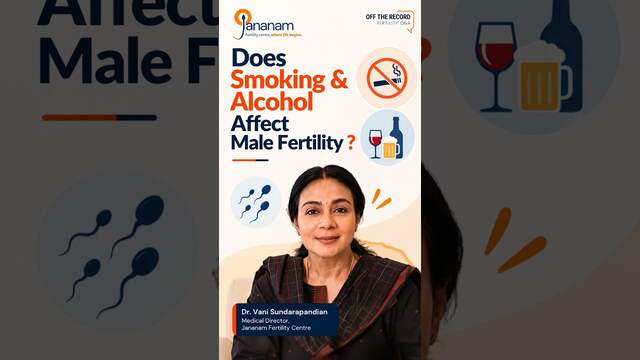

Reviewed by
Dr Vani Sundarapandian
MD, DGO, FRCOG (UK) · Founder, Jananam Fertility Centre
Written by the Jananam editorial team and reviewed by Dr Vani Sundarapandian, MD, DGO, FRCOG (UK), 20 years exclusively in fertility.
Sources (4)
- Biochemical Pregnancy: Definition, Prevalence, Causes, Diagnosis and Management. MTGGRC Review, 2023.
- Hormonal Recovery and Ovulation After Miscarriage. Clinical Endocrinology, 1990.
- Miscarriage: Emotional Impact, Interpregnancy Interval and Clinical Management. Australian Journal of General Practice, 2024.
- Ovulation Tracking Methods: Urinary LH, BBT and Progesterone Metabolite Testing. Thieme, 2024.
Irregular Periods and Pregnancy: Causes, Treatment
Irregular periods, cycles shorter than 21 days or longer than 35, usually mean ovulation is irregular or missing.
Recurrent Miscarriage: Causes, Tests & Treatment
Recurrent miscarriage means losing two or more pregnancies.
Baby Aspirin When Trying to Conceive: Does It Help?
No guideline recommends low-dose aspirin to help you conceive.
Switch from OB-GYN to Fertility Specialist
Most couples should switch from OB-GYN to fertility specialist after 12 months of trying to conceive without success, or after 6 months if the woman is over 35.
Thyroid Dysfunction and Infertility
Thyroid dysfunction and infertility are directly connected: hypothyroidism disrupts ovulation, alters menstrual cycles, raises prolactin levels, and reduces the chances of a successful pregnancy.
Chemical Pregnancy: Causes, Symptoms and Recovery
A chemical pregnancy is an early pregnancy loss that occurs shortly after implantation, before a gestational sac or embryo can be seen on ultrasound.
Had a chemical pregnancy and wondering what comes next?
A single consultation can clarify whether your cycle has returned to normal and whether any investigation is needed before you try again.
Sex selection is prohibited in India under the PCPNDT Act, 1994 and the ART Act, 2021.