
IVF AND IUI
Hysterosalpingography Test: A Complete Guide for Chennai Patients
What the hysterosalpingography (HSG) test checks, when it is done, what the results mean and what happens next. A guide for patients in Chennai.
- Home
- Journal
- ivf and iui
- Hysterosalpingography Test: Complete Guide

Key takeaways
- The hysterosalpingography test is performed between day 5 and day 14 of the menstrual cycle to avoid early pregnancy exposure and to ensure a clear view of the uterine cavity.
- According to a 2025 study published in the International Journal of Reproduction, Contraception, Obstetrics and Gynecology, HSG can detect uterine abnormalities such as synechiae, bicornuate uterus, and hydrosalpinx, as well as unilateral or bilateral tubal blockages.
- Oil-soluble contrast medium used in HSG can cause thyroid dysfunction: in one New Zealand study of 196 women, 38% developed subclinical hypothyroidism, so thyroid function should be checked for 6 months after the procedure.
- Research published in Frontiers in Endocrinology (2023) found, in a retrospective study of 413 women having IUI, that clinical pregnancy and live birth rates were higher when IUI was done within 6 months of an HSG (live birth rate 17.4%, against 8.1% when the interval exceeded 12 months).
- Mild to moderate cramping during the hysterosalpingography test is common and is caused by uterine distension and tubal spasm; discomfort typically resolves within a few hours.
The short answer
A hysterosalpingography test (HSG) is an X-ray procedure that checks whether the fallopian tubes are open and whether the uterine cavity has any abnormalities. A radio-opaque contrast dye is injected through the cervix, and X-ray images are taken as the dye travels through the uterus and tubes.
01What is a Hysterosalpingography Test?
A hysterosalpingography test is a radiographic examination of the uterine cavity and fallopian tubes. A radio-opaque contrast medium is injected through the cervical canal, and X-ray images are captured as the dye outlines the uterus and travels through the tubes. According to a 2025 study in the International Journal of Reproduction, Contraception, Obstetrics and Gynecology, the hysterosalpingography test is a valuable first-line radiological screening test in the infertility work-up, used to look at the uterine cavity and check that the tubes are open.
The procedure is sometimes called a hysterosalpingogram, and the two terms refer to the same test. It is non-surgical, takes 15 to 30 minutes, and is performed in a radiology or fertility clinic setting. Understanding what the test involves can make the experience considerably less daunting, and the team at Jananam walks every patient through each step before the procedure begins.
02When and Why is a Hysterosalpingography Test Recommended?
The hysterosalpingography test is recommended as a first-line investigation for women undergoing fertility evaluation, particularly to assess whether the fallopian tubes are open and whether the uterine cavity is normal. As the 2025 IJRCOG study concludes, it is an effective first-line radiological screening test for primary and secondary infertility. It is typically scheduled between day 5 and day 14 of the menstrual cycle to avoid exposing an early pregnancy to radiation and to ensure the endometrial lining is thin enough for clear imaging.
Your consultant will usually recommend a hysterosalpingography test in the following situations: you have been trying to conceive for 12 months or more without success (or 6 months if you are over 35), you have a history of pelvic infection or previous abdominal surgery, you have experienced recurrent miscarriages, or you are about to begin IUI or IVF and a baseline assessment of tubal anatomy is needed.
The test is also part of a broader ovarian reserve and fertility evaluation at Jananam, where it is combined with blood tests such as AMH (anti-Mullerian hormone, a marker of egg supply) and a baseline ultrasound scan to give a complete picture of reproductive health.
03Step-by-Step Hysterosalpingography Test Procedure: What to Expect
The hysterosalpingography test follows a clear sequence of steps, and knowing what happens at each stage helps reduce anxiety on the day. The procedure is performed in a radiology suite or a dedicated fertility imaging room, and the entire appointment from preparation to discharge usually takes under an hour.
Before the procedure, your consultant will confirm the timing within your cycle and may prescribe a short course of antibiotics to reduce the small risk of infection. You will be asked to take a mild over-the-counter painkiller such as ibuprofen 30 to 60 minutes beforehand to ease cramping. You should arrange for someone to accompany you home, as some women feel lightheaded afterwards.
During the procedure, you lie on an X-ray table in a position similar to a routine gynaecological examination. A speculum is inserted, the cervix is cleaned, and a thin catheter is passed gently through the cervical canal into the uterine cavity. Contrast dye is then injected slowly while a series of X-ray images, called fluoroscopic images, are taken in real time. The radiologist or fertility specialist watches the dye fill the uterus and flow through each tube. The catheter is then removed. According to the IJRCOG study, standard HSG involves contrast injection followed by X-ray imaging to assess uterine morphology and tubal patency.
After the procedure, you will rest for 15 to 20 minutes. Light spotting and mild cramping for the rest of the day are normal. You should avoid unprotected intercourse until any prescribed antibiotics are completed, and you should contact the clinic if you develop a fever, heavy bleeding, or worsening pelvic pain.
- Stage: Preparation · What Happens: Painkiller taken, antibiotics if prescribed, consent signed · Approximate Duration: 30 minutes before
- Stage: Positioning · What Happens: Patient lies on X-ray table, speculum inserted · Approximate Duration: 5 minutes
- Stage: Catheter placement · What Happens: Thin catheter passed through cervix into uterus · Approximate Duration: 2 to 5 minutes
- Stage: Contrast injection and imaging · What Happens: Dye injected, fluoroscopic X-rays taken as dye flows through uterus and tubes · Approximate Duration: 5 to 10 minutes
- Stage: Recovery · What Happens: Rest, monitoring for immediate side effects · Approximate Duration: 15 to 20 minutes
04Understanding Pain and Discomfort During the Hysterosalpingography Test
Most women experience mild to moderate cramping during the hysterosalpingography test, similar in character to period pain. The discomfort is caused by uterine distension as the contrast dye fills the cavity and by tubal spasm as the dye enters the fallopian tubes. Pain intensity varies between patients and between clinics.
The sharpest sensation, if any, usually occurs during the 30 to 60 seconds when the dye is being injected. For most women, the discomfort is short-lived and settles within a few hours of leaving the clinic. Many clinics advise a simple painkiller such as ibuprofen or paracetamol 30 to 60 minutes beforehand, although a Cochrane review found no clear evidence that oral painkillers reduce pain during HSG. Your consultant at Jananam will advise on the right option for you based on your medical history.
Women who have never been pregnant, those with a narrow cervical canal, or those with tubal blockages may find the procedure more uncomfortable because higher pressure is needed to push the dye through. If you are particularly anxious, let the team know in advance: the radiographer can pause at any point, and the procedure can be stopped if you are in significant distress. Emotional support from a partner or family member in the waiting area also makes a meaningful difference.
05Interpreting Your Hysterosalpingography Test Results
Hysterosalpingography test results fall into a few clear categories, and each one points toward a different next step in your fertility journey. As described in the IJRCOG study, results may show normal tubal patency, unilateral or bilateral tubal blockage, or uterine abnormalities such as a bicornuate uterus (heart-shaped uterus), arcuate uterus (mild indentation at the top), intrauterine adhesions (synechiae), fibroids, polyps, or hydrosalpinx (a fluid-filled blocked tube).
Normal result: both tubes are open and the uterine cavity is regular in shape. This is reassuring, and your consultant will use this information alongside other test results to plan the most appropriate fertility treatment, whether that is timed intercourse, IUI, or IVF.
Tubal blockage: if one or both tubes appear blocked, the location of the blockage matters. A proximal blockage (near the uterus) can sometimes be caused by tubal spasm during the procedure rather than a true anatomical block, and a repeat test or further investigation such as laparoscopy may be recommended. A distal blockage (near the ovary) is more likely to be structural. Bilateral blockage typically means that natural conception is not possible, and IVF becomes the recommended path. Hydrosalpinx, a specific type of distal blockage where the tube fills with fluid, is associated with lower IVF success rates and may need to be treated surgically before embryo transfer.
Uterine abnormalities: findings such as a septum, polyp, or fibroid distorting the cavity may be contributing to implantation failure or recurrent miscarriage. Many of these can be corrected with a minor hysteroscopic procedure before fertility treatment begins. Your consultant will explain what each finding means for your specific situation and what the recommended next steps are.
- Finding: Both tubes open, normal uterus · What It Means: No structural barrier to conception · Typical Next Step: Proceed with planned fertility treatment
- Finding: Unilateral tubal blockage · What It Means: One tube is open; natural conception may still be possible · Typical Next Step: Further investigation or IUI using the open side
- Finding: Bilateral tubal blockage · What It Means: Both tubes are blocked; natural conception is not possible · Typical Next Step: IVF recommended
- Finding: Hydrosalpinx · What It Means: Fluid-filled blocked tube that can impair implantation · Typical Next Step: Surgical treatment before IVF
- Finding: Uterine septum or adhesions · What It Means: Structural issue that may affect implantation or increase miscarriage risk · Typical Next Step: Hysteroscopic correction before fertility treatment
- Finding: Proximal blockage only · What It Means: May be tubal spasm rather than true blockage · Typical Next Step: Repeat HSG or laparoscopy to confirm
06Risks, Side Effects, and Safety of the Hysterosalpingography Test
The hysterosalpingography test is generally safe, but it carries a small number of risks that every patient should be aware of before consenting. The most important safety consideration relates to the type of contrast dye used. Oil-soluble contrast medium (OSCM), such as Lipiodol, is associated with a higher pregnancy rate after the procedure but also with prolonged iodine exposure. According to a 2022 study published via PubMed Central, OSCM use caused subclinical hypothyroidism (mildly underactive thyroid) in 38% of the 196 women followed, almost all of it mild, and the authors say regular thyroid tests are needed for 6 months after the procedure.
A further study published in Frontiers in Endocrinology in 2024, following the same 196 women, found that those with moderate iodine deficiency at baseline were 64% more likely to become pregnant after OSCM HSG, and the authors suggest the iodine from the contrast may contribute to the improved fertility seen with this procedure. Among women under 40 with subclinical hypothyroidism, those who took levothyroxine had higher pregnancy rates than those who did not (63% against 37%), although this was an observational finding and not a trial. Your consultant will discuss whether thyroid monitoring is appropriate for you based on your baseline thyroid function and the type of contrast used.
Other risks include: pelvic infection (rare; in a Taiwanese cohort of about 7,900 women it occurred in 0.46% of those given preventive antibiotics and 1.42% of those who were not), allergic reaction to the contrast dye (very rare), and a small dose of ionising radiation from the X-ray. The radiation dose from a single HSG is low. The procedure is not performed during pregnancy, which is why careful cycle timing is essential.
Spotting and light cramping for 24 to 48 hours after the test are normal and not a cause for concern. You should contact the clinic promptly if you develop a temperature above 38 degrees Celsius, heavy vaginal bleeding, severe or worsening pelvic pain, or an unusual vaginal discharge in the days following the procedure.
07Does the Hysterosalpingography Test Improve Fertility?
One of the most clinically interesting aspects of the hysterosalpingography test is that it may have a therapeutic effect beyond diagnosis. The flushing of the fallopian tubes with contrast dye is thought to clear minor mucus plugs, debris, or mild adhesions that could be impeding sperm or embryo transport. This is sometimes called the post-HSG fertility boost.
Research published in Frontiers in Endocrinology (2023) found, in a retrospective study of 413 women having IUI, that clinical pregnancy and live birth rates were higher when IUI was done within 6 months of an HSG. The live birth rate was 17.4% within 6 months and 8.1% when the interval exceeded 12 months, which suggests that any benefit may be time-limited. This finding has practical implications: if your HSG result is normal or shows only minor findings, your consultant may recommend proceeding with fertility treatment promptly rather than waiting.
The type of contrast medium also appears to matter. Oil-soluble contrast medium has been associated with higher post-procedure pregnancy rates in several studies, and a 2024 PubMed Central study found that baseline iodine deficiency correlated with improved pregnancy rates after OSCM HSG, pointing to a possible iodine-mediated mechanism. Your consultant will weigh the potential benefits of OSCM against the thyroid monitoring requirements when choosing the contrast type for your procedure.
08Hysterosalpingography Test Cost and Availability in Chennai
The hysterosalpingography test is widely available in Chennai at fertility clinics, radiology centres, and hospital imaging departments. Costs vary depending on the facility, the type of contrast medium used, and whether the procedure is performed under fluoroscopy (real-time X-ray) or with a digital imaging system. As a general guide, HSG in Chennai typically ranges from a few hundred to a few thousand rupees, with the exact figure depending on the centre and the clinical protocol followed.
When comparing options, it is worth asking whether the procedure is performed by or in close collaboration with a fertility specialist rather than a general radiologist, since the interpretation of results in the context of your overall fertility evaluation is as important as the imaging itself. At Jananam Fertility Centre in Neelankarai, the hysterosalpingography test is integrated into a complete fertility workup, so findings are reviewed alongside your AMH, ultrasound, and semen analysis results in a single consultation rather than in isolation.
Jananam does not publish specific prices on its website in line with standard medical practice, but the team will provide a clear breakdown of costs during your initial consultation. There are no hidden fees, and the team will explain exactly what is included before you proceed.
09Why Choose Jananam Fertility Centre for Your Hysterosalpingography Test in Chennai?
Jananam Fertility Centre is a single-speciality fertility clinic in Neelankarai, Chennai, focused exclusively on the diagnosis and treatment of infertility. Because the clinic treats only fertility cases, the hysterosalpingography test is never an isolated procedure: it is part of a coordinated evaluation that includes ovarian reserve testing, semen analysis, and a detailed consultation to map out a personalised treatment plan.
The consultants at Jananam have over two decades of combined experience in reproductive medicine and are familiar with the full range of HSG findings and their implications, from straightforward tubal patency to complex uterine anomalies requiring hysteroscopic correction before IVF. For patients whose HSG reveals bilateral tubal blockage or hydrosalpinx, the team can discuss ICSI-based IVF or, where appropriate, donor egg IVF as the next step, all within the same clinic.
Jananam's Certified Cleanroom Laboratory is particularly relevant for patients who proceed to IVF after an abnormal HSG result, since the controlled environment minimises contamination risk during egg collection, fertilisation, and embryo culture. Patients with conditions such as endometriosis or unexplained infertility, where HSG findings may be normal despite ongoing fertility challenges, benefit from the clinic's ability to investigate further with pre-implantation genetic testing and advanced sperm assessment including sperm DNA fragmentation testing.
The team at Jananam understands that undergoing a hysterosalpingography test can feel daunting, and every patient receives a clear explanation of their results, written notes to take home, and a follow-up appointment to discuss next steps. You are never left to interpret a report alone.
When to call us
- Fever above 38 degrees Celsius in the 48 hours after the hysterosalpingography test
- Heavy vaginal bleeding (soaking more than one pad per hour) after the procedure
- Severe or worsening pelvic pain that is not relieved by ibuprofen or paracetamol
- Unusual or foul-smelling vaginal discharge in the days following the test
- Dizziness, fainting, or a severe allergic reaction (rash, difficulty breathing) during or immediately after the procedure
- No period for more than 6 weeks after the hysterosalpingography test
Questions couples ask
On which day of my cycle should I have the hysterosalpingography test?
The hysterosalpingography test is scheduled between day 5 and day 14 of the menstrual cycle. This timing ensures the procedure is performed after menstrual bleeding has stopped (so the uterine cavity is clear) and before ovulation, which avoids any risk of exposing an early pregnancy to radiation. Your consultant will confirm the exact day based on your cycle length.
How long does the hysterosalpingography test take?
The imaging part of the procedure takes 5 to 10 minutes. Including preparation, catheter placement, and post-procedure rest, the full appointment is usually 45 minutes to one hour. Most women are able to return to light activities the same day, though some prefer to rest at home for the remainder of the day.
Can I get pregnant naturally after a normal hysterosalpingography test result?
Yes. A normal hysterosalpingography test result confirms that both fallopian tubes are open and the uterine cavity is regular, which means there is no structural barrier to natural conception. Research published in Frontiers in Endocrinology (2023) found that couples who had IUI within 6 months of an HSG had higher pregnancy and live birth rates than those who waited longer. That study looked only at IUI patients, so it does not show that HSG itself raises the chance of natural conception. Your consultant will advise on the best approach based on your complete fertility evaluation.
What should I do if my hysterosalpingography test shows blocked tubes?
The appropriate next step depends on whether one or both tubes are blocked and where the blockage is located. A unilateral blockage may still allow natural conception or IUI using the open tube. Bilateral blockage means IVF is the recommended path. If the blockage appears to be at the proximal end (near the uterus), your consultant may recommend a repeat test or laparoscopy to confirm, since tubal spasm during the procedure can mimic a true blockage. The team at Jananam will explain your specific result and the options available to you.
Is the hysterosalpingography test safe if I have a thyroid condition?
If oil-soluble contrast medium is used, the iodine load can temporarily affect thyroid function. A 2022 study of 196 women found subclinical hypothyroidism in 38% of them after OSCM HSG, and advised thyroid tests for 6 months afterwards. If you have a known thyroid condition or are taking thyroid medication, tell your consultant before the procedure. They may choose a water-soluble contrast medium instead, or arrange thyroid function monitoring after the test.
Are there alternatives to the hysterosalpingography test for checking tubal patency?
Yes. Alternatives include hysterosalpingo-contrast sonography (HyCoSy), which uses ultrasound rather than X-ray and avoids radiation, and diagnostic laparoscopy with dye (chromopertubation), which is the gold standard for confirming tubal patency but requires a general anaesthetic. The hysterosalpingography test remains the most widely used first-line investigation because it is accessible, relatively quick, and provides detailed images of both the tubes and the uterine cavity in a single procedure.
How soon after the hysterosalpingography test can I start fertility treatment?
If your result is normal, fertility treatment can typically begin in the same or the following menstrual cycle. In one study of IUI patients, results were best when IUI was done within 6 months of the HSG, so your consultant will usually recommend proceeding without unnecessary delay. If the result reveals an abnormality that needs correction, such as a uterine septum or hydrosalpinx, treatment will begin after that issue has been addressed.
Will the hysterosalpingography test affect my menstrual cycle?
The hysterosalpingography test does not alter your menstrual cycle. Light spotting for 1 to 2 days after the procedure is normal and is caused by minor irritation of the cervix or uterine lining during catheter placement. Your next period should arrive at its usual time. If your period is significantly delayed or heavier than usual, contact your clinic.
Not the question you had?
The questions people don't ask with their partner sitting beside them, answered by Dr Vani Sundarapandian.



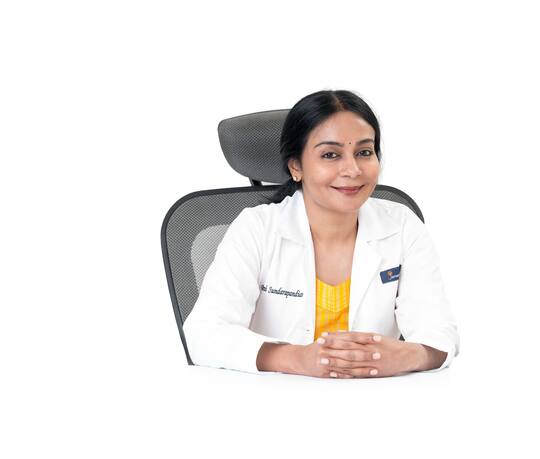
Reviewed by
Dr Vani Sundarapandian
MD, DGO, FRCOG (UK) · Founder, Jananam Fertility Centre
Published by the Jananam team. Waiting for review by Dr Vani Sundarapandian, MD, DGO, FRCOG (UK)
Sources (6)
- Mahitha A, Hiremath PB, Indu NR. A retrospective study on hysterosalpingography in tertiary care hospital in Puducherry. International Journal of Reproduction, Contraception, Obstetrics and Gynecology, 2025.
- Hindocha A, Beere L, O'Flynn H, Watson A, Ahmad G. Pain relief in hysterosalpingography. Cochrane Database of Systematic Reviews, 2015
- Mathews et al. The SELFI Study: Iodine Excess and Thyroid Dysfunction in Women Undergoing Oil-Soluble Contrast Hysterosalpingography. J Clin Endocrinol Metab, 2022.
- Mathews et al. Iodine and other factors associated with fertility outcome following oil-soluble contrast medium hysterosalpingography: a prospective cohort study. Front Endocrinol, 2024.
- Ling et al. Effect of interval time between hysterosalpingography and intrauterine insemination on the pregnancy outcome of infertile patients. Frontiers in Endocrinology, 2023.
- Li HM, Sung FC, Li SC, Huang YK, Chang Y, Chang CC, Huang SJ, Lin CL, Kao CH. The effect of antibiotic prophylaxis for acute pelvic inflammatory disease after hysterosalpingography: a retrospective cohort study. Current Medical Research and Opinion, 2018
IVF and Test Tube Baby Cost at Jananam, Chennai
The cost of IVF (test tube baby treatment) at Jananam Fertility Centre, Chennai, depends on your tests, your medicine dose and how many tries you need.
Fallopian Tube Function: Role, Problems & Fertility Guide
The fallopian tube has three jobs: it catches the egg released at ovulation, it is where sperm meets and fertilises the egg, and it carries the embryo to the womb over about five days.
Blocked Fallopian Tubes: Tests, Surgery or IVF
Blocked or damaged fallopian tubes are a common cause of female infertility, and they usually cause no symptoms.
Second Opinion on Fertility Treatment: Complete Guide
A second opinion on fertility treatment means consulting a different reproductive specialist to review your diagnosis, test results, and treatment plan.
Secondary Infertility in Chennai: Causes and Emotions
Secondary infertility in Chennai refers to the inability to conceive or carry a pregnancy to term after previously having a biological child.
Thyroid Dysfunction and Infertility
Thyroid dysfunction and infertility are directly connected: hypothyroidism disrupts ovulation, alters menstrual cycles, raises prolactin levels, and reduces the chances of a successful pregnancy.
Been told you need an HSG test in Chennai?
A hysterosalpingography test result means more when it is reviewed alongside your AMH, ultrasound, and semen analysis as part of a complete fertility picture.
Sex selection is prohibited in India under the PCPNDT Act, 1994 and the ART Act, 2021.