
IVF AND IUI
Recurrent Pregnancy Loss: Causes, Emotional Impact, and Complete Treatment Guide for Chennai Couples
Understand recurrent pregnancy loss: its genetic, immunological and male-factor causes, the emotional toll on couples, and evidence-based treatments available
- Home
- Journal
- ivf and iui
- Recurrent Pregnancy Loss: Causes, Coping and Treatment

Key takeaways
- Recurrent pregnancy loss is defined as two or more losses before 10 weeks of gestation, including biochemical pregnancies, according to a 2024 guideline published in Reproductive BioMedicine Online.
- Antiphospholipid syndrome (APS) is identified in approximately 15% of women with recurrent pregnancy loss, and treatment with heparin plus low-dose aspirin improves live birth rates.
- Women with recurrent pregnancy loss show significantly higher rates of moderate-to-severe depression, anxiety and post-traumatic stress than men; post-traumatic stress affects 13.7% of women compared with 3.9% of men after pregnancy loss.
- Parental chromosomal rearrangements are found in 2–5% of couples with recurrent pregnancy loss, making genetic testing an important part of the diagnostic workup.
- A study of infertile women in Chennai found that 47.2% experienced depression, 52.8% anxiety and 58% stress, underscoring the need for integrated psychological support alongside medical treatment.
The short answer
Recurrent pregnancy loss (RPL) is defined as two or more pregnancy losses before 10 weeks of gestation, including biochemical losses. It affects roughly 1–2% of couples trying to conceive. Causes span genetic, anatomical, immunological, endocrine and male factors. Most couples who receive a thorough investigation and targeted treatment go on to achieve a successful pregnancy, though outcomes vary by age and diagnosis.
01What is Recurrent Pregnancy Loss?
Recurrent pregnancy loss (RPL) is defined as two or more pregnancy losses occurring before 10 weeks of gestational age, including biochemical losses and non-consecutive losses. Ectopic and molar pregnancies are excluded from this definition. According to a 2024 guideline in Reproductive BioMedicine Online, this updated definition broadens the clinical threshold so that couples receive investigation and support earlier than under older criteria that required three consecutive losses.
RPL affects roughly 1–2% of couples trying to conceive, yet the emotional weight it carries is disproportionate to its prevalence. Each loss is a distinct grief event, and the cumulative toll on a couple's mental health, relationship and confidence in trying again can be profound. Understanding the definition matters because it determines when a thorough medical investigation should begin, and beginning that investigation promptly is the first step toward a plan.
02What Are the Common Causes of Recurrent Pregnancy Loss?
The causes of recurrent pregnancy loss span five broad categories: genetic and chromosomal factors, uterine and anatomical abnormalities, immunological and thrombophilia conditions, endocrine and metabolic disorders, and male-factor contributions. As the 2024 guideline notes, a single identifiable cause is found in only a proportion of couples, and in many cases more than one contributing factor is present. This is why a structured, multi-system investigation is essential rather than testing for one cause at a time.
It is also worth knowing that even after a thorough workup, a cause is not always found. This is sometimes called unexplained RPL, and it does not mean treatment is impossible. Unexplained infertility and unexplained pregnancy loss share a common frustration: the absence of a label does not mean the absence of a path forward.
03Genetic and Chromosomal Factors
Parental chromosomal rearrangements, such as balanced translocations, are found in 2–5% of couples with recurrent pregnancy loss and are associated with an increased risk of future losses. Cytogenetic analysis of the products of conception (the tissue from a miscarriage) can identify whether a specific loss was chromosomally abnormal, which helps guide further management. According to the 2024 guideline, this information is valuable even when it does not change immediate treatment, because it informs prognosis and counselling.
When a parental chromosomal rearrangement is identified, genetic counselling is strongly recommended. Couples in this situation may be offered pre-implantation genetic testing (PGT) as part of an IVF cycle to screen embryos for the specific rearrangement before transfer. It is important to understand, however, that PGT-A (testing for overall chromosomal number) does not clearly improve live birth rates in RPL patients compared with natural conception, so its use should be discussed carefully with your consultant.
04Uterine Anomalies and Other Anatomical Issues
Uterine structural problems are identified in a meaningful proportion of women with recurrent pregnancy loss. A uterine septum, a band of tissue dividing the uterine cavity, is associated with RPL in 6–16% of cases. Other anatomical issues include fibroids that distort the cavity, intrauterine adhesions (scar tissue, also called Asherman's syndrome), and congenital malformations such as a bicornuate or unicornuate uterus.
Despite the logical appeal of correcting a structural abnormality, the evidence for surgical intervention is less clear than many couples expect. According to the 2024 guideline, recent randomised controlled trials found no clear benefit on live birth rates from septum resection, and there is currently no strong evidence supporting routine surgical correction of polyps, fibroids or intrauterine adhesions to prevent further loss. Your consultant will weigh the individual findings against the current evidence before recommending surgery.
05Immunological and Thrombophilia Factors
Antiphospholipid syndrome (APS), an autoimmune condition in which the body produces antibodies that increase the risk of blood clots in the placenta, is present in approximately 15% of women with recurrent pregnancy loss. It is one of the most treatable causes of RPL: the 2024 guideline confirms that treatment with low-molecular-weight heparin (LMWH) combined with low-dose aspirin improves live birth rates in women with APS.
Inherited thrombophilias, such as Factor V Leiden or prothrombin gene mutations, are a separate category. Routine testing for inherited thrombophilias is not recommended in RPL because LMWH treatment in those patients does not improve outcomes, according to the same guideline. Other immune interventions, including intravenous immunoglobulin (IvIg) and lymphocyte immunisation therapy, currently lack sufficient evidence and should only be used within research settings. Immunological screening in recurrent pregnancy loss should therefore be targeted and evidence-led, not exhaustive.
06Endocrine and Metabolic Causes
Thyroid dysfunction and polycystic ovarian syndrome (PCOS) are the two most clinically relevant endocrine contributors to recurrent pregnancy loss. Subclinical hypothyroidism and thyroid antibody positivity are both screened for in RPL workups. However, the 2024 guideline specifies that levothyroxine treatment is not recommended when the TSH level is below 4 mIU/l, reflecting a more cautious, evidence-based threshold than was previously applied.
PCOS is associated with recurrent pregnancy loss, likely through mechanisms involving insulin resistance, elevated androgens and irregular ovulation. Metformin, a medication commonly used in PCOS management, currently has insufficient evidence as a preventive treatment for RPL specifically. Optimising metabolic health through weight management, blood sugar control and lifestyle changes remains an important part of preparation for a subsequent pregnancy, even where medication evidence is limited.
07Male Factors in Recurrent Pregnancy Loss
Male factors contribute to recurrent pregnancy loss, though the evidence base is still developing. Reduced sperm motility and elevated sperm DNA fragmentation have both been associated with RPL, but diagnostic thresholds remain unclear, as noted in the 2024 guideline. DNA fragmentation refers to breaks or damage in the genetic material carried by sperm, which can impair embryo development even when a fertilised egg initially forms.
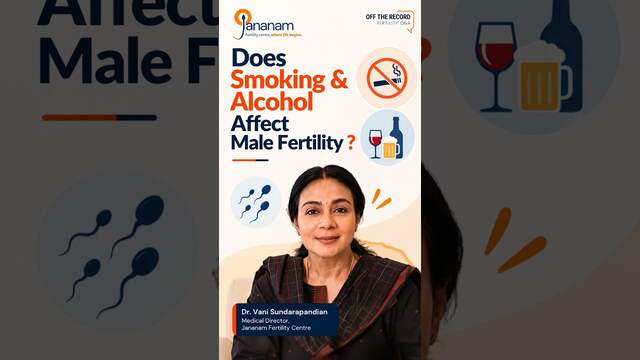
Assessment of sperm DNA fragmentation may be considered as part of a male-factor investigation in RPL, alongside a standard semen analysis. Lifestyle factors, including smoking, alcohol, heat exposure and obesity, are known to worsen sperm DNA integrity and are modifiable. No validated pharmacological interventions for male-factor RPL are currently established, but antioxidant supplementation and lifestyle modification are commonly recommended while further research is awaited. ICSI (intracytoplasmic sperm injection) with sperm selection techniques such as PICSI may be considered in cases of high DNA fragmentation.
08What is the Emotional and Psychological Impact of Recurrent Pregnancy Loss?
The emotional impact of recurrent pregnancy loss is severe and often underestimated by those outside the experience. Women with RPL have significantly higher rates of moderate-to-severe depression, anxiety, stress and post-traumatic stress disorder (PTSD) compared with both men and population controls, and psychological distress can persist for months after each loss, according to a 2023 study published in Life. The cumulative nature of RPL, each loss compounding the last, means that the psychological burden grows with each pregnancy that does not continue.
Men are affected too, though differently. Research shows that post-traumatic stress affects 13.7% of women and 3.9% of men after recurrent pregnancy loss, according to a study published via PubMed Central. The gap in reported distress does not mean men are unaffected; it often reflects differences in how distress is expressed and acknowledged. Men frequently describe feeling helpless, sidelined in clinical conversations, and uncertain how to support their partner while managing their own grief.
The social context in Chennai adds further pressure. A study of infertile women in the city found that 47.2% experienced depression, 52.8% anxiety and 58% stress, with stigma and financial burden compounding the psychological impact. Couples navigating recurrent pregnancy loss in this environment often carry the weight of family expectations, cultural pressure to conceive quickly, and limited access to specialist psychological support alongside their medical treatment.
09Post-Traumatic Stress and Grief: How Does Recurrent Pregnancy Loss Affect Couples Together?
Recurrent pregnancy loss does not affect two people in isolation: the psychological states of partners are interdependent. Research published via PubMed Central found that when men use avoidant coping strategies, such as withdrawing emotionally or distracting themselves, their female partner's post-traumatic stress levels increase. This means that how each person copes directly shapes the other's experience, for better or worse.
Grief after pregnancy loss is real and legitimate, but it does not always look the same in both partners. Women more often seek emotional connection and acknowledgement; men more often focus on problem-solving or protecting their partner from further distress. Neither response is wrong, but when they diverge sharply, couples can feel profoundly alone even while physically together. Naming this dynamic, ideally with the help of a counsellor experienced in pregnancy loss, is often the first step toward coping as a unit rather than in parallel.
The grief of RPL is also complicated by its invisibility. Early pregnancy losses, particularly biochemical pregnancies, are rarely marked socially or culturally. Couples may feel they are not entitled to grieve publicly, which can intensify private distress. Acknowledging each loss as a real loss, not a medical event to be moved past quickly, is an important part of emotional recovery.
10What Coping Strategies Help Couples Facing Recurrent Pregnancy Loss?
Evidence-based coping strategies for recurrent pregnancy loss differ between women and men, and effective support needs to account for both. According to a study in the Malaysian Journal of Medicine and Health Sciences, women tend to use emotion-focused coping, including distraction and self-enhancement, while men lean toward avoidance-focused strategies such as self-distraction and behavioural disengagement. Tailored interventions that address both styles are more effective than generic advice.
For couples, the most consistently helpful strategies include: open communication about grief rather than protecting each other from it; seeking professional psychological support, ideally from a counsellor with experience in pregnancy loss; joining peer support groups where the experience is shared and normalised; and maintaining physical health through sleep, nutrition and gentle exercise, which supports emotional resilience. The Life journal study strongly recommends screening both women and men for anxiety and depression after RPL so that support can be offered promptly rather than reactively.
Practical steps also matter. Agreeing as a couple on how much information to share with family, setting boundaries around intrusive questions, and deciding together when and whether to try again all reduce the sense of being swept along by events. Your consultant at Jananam can help frame these decisions within a medical context, so that emotional readiness and clinical readiness are considered together.
- Talk openly about grief rather than shielding each other from it.
- Seek psychological support from a counsellor experienced in pregnancy loss.
- Consider peer support groups where the experience is shared and normalised.
- Maintain physical health through sleep, balanced nutrition and gentle movement.
- Agree together on how much to share with family and when to try again.
- Ask your fertility team to screen both partners for anxiety and depression.
11How is Recurrent Pregnancy Loss Diagnosed and What is the Prognosis?
Diagnosis of recurrent pregnancy loss begins after two pregnancy losses, under the current guideline definition. The evaluation covers parental karyotyping, uterine imaging (typically a saline infusion sonogram or hysteroscopy), thrombophilia screening focused on APS, thyroid function tests, and a semen analysis with sperm DNA fragmentation assessment for the male partner. Ovarian reserve testing, including AMH (anti-Mullerian hormone, a marker of egg supply), is also relevant where age or ovarian function may be a contributing factor.
Prognosis for recurrent pregnancy loss is more optimistic than many couples fear. According to the 2024 guideline, while the risk of a future euploid (chromosomally normal) loss does increase with the number of previous losses, the majority of couples who receive appropriate investigation and support go on to have a successful pregnancy. Age, the number of previous losses, and whether a cause is identified all influence the individual prognosis, which is why a personalised assessment matters more than population averages.
- Investigation: Parental karyotyping · What it looks for: Chromosomal rearrangements in either partner · Recommended in RPL?: Yes, for both partners
- Investigation: Products of conception analysis · What it looks for: Chromosomal cause of a specific loss · Recommended in RPL?: Yes, where tissue is available
- Investigation: Uterine imaging (SIS or hysteroscopy) · What it looks for: Septum, fibroids, adhesions, polyps · Recommended in RPL?: Yes
- Investigation: APS antibody panel · What it looks for: Antiphospholipid syndrome · Recommended in RPL?: Yes
- Investigation: Inherited thrombophilia screen · What it looks for: Factor V Leiden, prothrombin mutation · Recommended in RPL?: Not routinely recommended
- Investigation: Thyroid function and antibodies · What it looks for: Subclinical hypothyroidism, thyroid autoimmunity · Recommended in RPL?: Yes
- Investigation: Semen analysis and sperm DNA fragmentation · What it looks for: Sperm motility, morphology, DNA integrity · Recommended in RPL?: Yes, for male partner
- Investigation: AMH and ovarian reserve · What it looks for: Egg supply and ovarian function · Recommended in RPL?: Yes, where clinically indicated
12What Are the Current Treatments for Recurrent Pregnancy Loss?
Treatment for recurrent pregnancy loss is tailored to the identified cause, and no single intervention is universally effective. Where a cause is found, targeted treatment significantly improves outcomes. Where no cause is found, supportive care, close monitoring in early pregnancy and psychological support remain the mainstay. According to the 2024 guideline, treatment should be evidence-led: several interventions that were previously used widely, including progesterone supplementation except in specific bleeding cases and routine surgical correction of uterine anomalies, do not have clear evidence of benefit.
The sections below outline the main treatment categories. Your consultant will match the approach to your specific investigation findings rather than applying a standard protocol.
13Genetic and Assisted Reproduction Therapies for Recurrent Pregnancy Loss
When parental chromosomal rearrangements are identified, genetic counselling is the first step, followed by a discussion of whether IVF with pre-implantation genetic testing is appropriate. PGT for a specific structural rearrangement (PGT-SR) can identify embryos unaffected by the parental abnormality before transfer. This is different from PGT-A, which screens for overall chromosomal number: the 2024 guideline is clear that PGT-A does not clearly improve live birth rates or reduce pregnancy loss in RPL patients compared with natural conception, and its routine use is not recommended.
For couples where egg quality or ovarian reserve is a contributing concern, IVF allows closer monitoring of embryo development and the option of chromosomal testing where clinically indicated. In cases of severely diminished ovarian reserve, donor egg IVF may be discussed as an option, in full compliance with the ART (Regulation) Act 2021.
14Immunological and Medical Treatments for Recurrent Pregnancy Loss
For women with confirmed antiphospholipid syndrome, anticoagulant therapy combining LMWH (low-molecular-weight heparin) with low-dose aspirin is the standard of care and is supported by evidence showing improved live birth rates. This treatment is typically started as soon as a pregnancy is confirmed and continued through the first trimester or beyond, depending on the clinical picture.
Other immune-modulating treatments, including intravenous immunoglobulin (IvIg) and lymphocyte immunisation therapy, are sometimes discussed but currently lack sufficient evidence to be recommended outside research settings, according to the 2024 guideline. Progesterone supplementation is not recommended as a routine treatment for RPL, though it may be considered in the specific situation of early pregnancy bleeding. Your consultant will explain which treatments are evidence-based for your individual situation and which remain investigational.
15Uterine and Surgical Treatments for Recurrent Pregnancy Loss
Surgical correction of uterine abnormalities is an area where clinical intuition and current evidence diverge. While it seems logical that correcting a uterine septum or removing a fibroid would reduce pregnancy loss, the 2024 guideline found no clear evidence supporting routine surgical correction of uterine septum, polyps, fibroids or intrauterine adhesions to prevent further loss. This does not mean surgery is never appropriate, but it should be considered on an individual basis rather than as a default step.
Where intrauterine adhesions are causing symptoms such as reduced menstrual flow or cavity distortion, hysteroscopic adhesiolysis may be discussed. Cervical cerclage (a stitch placed in the cervix) is relevant in a specific subset of cases involving cervical weakness rather than RPL in the conventional sense. Endometriosis, which can affect uterine receptivity, is another anatomical factor that may be assessed and managed as part of a comprehensive RPL workup.
16Male-Factor Directed Interventions in Recurrent Pregnancy Loss
No pharmacological treatment for male-factor recurrent pregnancy loss is currently validated, but several approaches are clinically reasonable while the evidence base develops. Lifestyle modification is the most accessible starting point: stopping smoking, reducing alcohol, avoiding heat exposure to the testes, achieving a healthy weight and taking antioxidant supplements (such as vitamin C, vitamin E and coenzyme Q10) can all improve sperm DNA integrity over a 3-month sperm production cycle.
Where sperm DNA fragmentation is elevated, sperm selection techniques used during ICSI or PICSI may help by preferentially selecting sperm with lower DNA damage for fertilisation. PICSI (physiological intracytoplasmic sperm injection) uses a hyaluronic acid binding test to identify more mature, less fragmented sperm. The team at Jananam will assess sperm DNA fragmentation as part of a male-factor RPL workup and discuss whether sperm selection techniques are appropriate for your situation.
17Secondary Infertility in Chennai: Causes, Emotional Challenges, and Treatment
Secondary infertility, defined as difficulty conceiving or carrying a pregnancy after a previous successful birth, is a distinct but related challenge that many Chennai couples face alongside or following recurrent pregnancy loss. It is often less visible than primary infertility because the couple has already had a child, which can lead to their distress being minimised by family and healthcare providers alike.
The emotional burden of secondary infertility in Chennai is well documented. A local study found that 47.2% of infertile women in the city experienced depression, 52.8% anxiety and 58% stress, with stigma and financial pressure compounding the psychological impact. For couples who have experienced both a previous birth and subsequent losses, the grief is layered: they know what they are hoping for, which can make each loss feel more acute rather than less.
Causes of secondary infertility overlap significantly with those of recurrent pregnancy loss and include age-related decline in egg quality, new-onset conditions such as endometriosis or uterine adhesions from a previous delivery, changes in sperm quality, and low ovarian reserve. Treatment follows the same evidence-based pathway: thorough investigation, targeted intervention, and integrated emotional support. The team at Jananam treats secondary infertility with the same depth of investigation as primary infertility, recognising that a previous successful pregnancy does not make the current struggle any less real.
18Jananam Fertility Centre's Holistic Approach to Recurrent Pregnancy Loss and Secondary Infertility in Chennai
Jananam is a single-speciality fertility clinic in Neelankarai, Chennai, focused exclusively on the investigation and treatment of infertility and recurrent pregnancy loss. Treating only fertility means that every protocol, every piece of equipment and every consultation is oriented toward this one area of medicine, rather than being one service among many.
The clinic's Certified Cleanroom Laboratory is particularly relevant for couples with recurrent pregnancy loss, where embryo quality and laboratory conditions directly influence outcomes. Controlled air quality, temperature stability and contamination prevention in the lab matter most in cases involving low ovarian reserve, poor embryo development or the need for genetic testing of embryos. The consultants at Jananam bring over two decades of combined experience in reproductive medicine, and the team's approach to RPL integrates medical investigation with psychological awareness: both partners are included in consultations, and referral for psychological support is part of the care pathway rather than an afterthought.
For couples in Chennai navigating recurrent pregnancy loss alongside the pressures of family expectations, work demands and the emotional weight of repeated loss, having a team that understands both the clinical and human dimensions of the experience makes a meaningful difference. Learn more about the clinic's approach and what a first consultation involves.
When to call us
- You have had two or more pregnancy losses at any stage, including biochemical (very early) losses.
- You have had one pregnancy loss and are over 35, or have a known condition such as PCOS, thyroid disease or endometriosis.
- You or your partner are experiencing persistent anxiety, depression or intrusive thoughts following a pregnancy loss.
- You have been trying to conceive for more than 12 months after a previous successful pregnancy (6 months if over 35).
- A semen analysis has shown reduced motility or you have been told sperm DNA fragmentation is elevated.
- You have been told you have a uterine abnormality, APS, or a chromosomal rearrangement and want a second opinion on management.
Questions couples ask
How many miscarriages count as recurrent pregnancy loss?
Current guidelines define recurrent pregnancy loss as two or more pregnancy losses before 10 weeks of gestation, including biochemical losses and non-consecutive losses. This updated definition means investigation and support should begin after two losses rather than waiting for three, as older criteria required.
Should my partner be tested as part of a recurrent pregnancy loss workup?
Yes. Male factors, including sperm DNA fragmentation and reduced motility, have been associated with recurrent pregnancy loss. A semen analysis and sperm DNA fragmentation test are recommended for the male partner as part of a comprehensive RPL investigation, alongside parental karyotyping for both partners.
Is PGT-A recommended for couples with recurrent pregnancy loss?
PGT-A (pre-implantation genetic testing for aneuploidy, which screens embryos for chromosomal number) does not clearly improve live birth rates or reduce pregnancy loss in RPL patients compared with natural conception, according to current evidence. PGT for a specific parental chromosomal rearrangement (PGT-SR) is a different matter and may be appropriate where a rearrangement has been identified.
Does antiphospholipid syndrome always cause recurrent pregnancy loss?
Not always, but APS is present in approximately 15% of women with recurrent pregnancy loss and is one of the most treatable causes. Treatment with low-molecular-weight heparin combined with low-dose aspirin improves live birth rates in women with confirmed APS. Testing for APS is a standard part of the RPL investigation.
How does recurrent pregnancy loss affect men emotionally?
Men experience real grief and distress after recurrent pregnancy loss, though it is often less visible than their partner's. Post-traumatic stress affects approximately 3.9% of men after RPL compared with 13.7% of women. Research shows that when men use avoidant coping strategies, their partner's post-traumatic stress levels increase, highlighting why psychological support for both partners matters.
Can lifestyle changes reduce the risk of further pregnancy loss?
For some contributing factors, yes. Optimising thyroid function, managing PCOS through weight and metabolic health, stopping smoking, reducing alcohol and improving sperm DNA integrity through antioxidant supplementation and lifestyle changes are all evidence-informed steps. They do not replace medical investigation but complement it, and your consultant can advise on what is most relevant to your specific situation.
What is the difference between recurrent pregnancy loss and secondary infertility?
Recurrent pregnancy loss refers specifically to two or more pregnancy losses before 10 weeks. Secondary infertility refers to difficulty conceiving or carrying a pregnancy to term after a previous successful birth. The two conditions can overlap: a couple may have had one child and then experience repeated losses. Both warrant thorough investigation and are treated at Jananam.
When should both partners be screened for anxiety and depression after pregnancy loss?
Screening for anxiety and depression in both women and men affected by recurrent pregnancy loss is strongly recommended by current evidence, ideally at the point of clinical assessment rather than waiting for distress to become severe. Early identification allows timely referral for psychological support, which improves both emotional outcomes and the couple's capacity to engage with medical treatment.
Not the question you had?
The questions people don't ask with their partner sitting beside them, answered by Dr Vani Sundarapandian.



Reviewed by
Dr Vani Sundarapandian
MD, DGO, FRCOG (UK) · Founder, Jananam Fertility Centre
Published by the Jananam team. Waiting for review by Dr Vani Sundarapandian, MD, DGO, FRCOG (UK)
Sources (5)
- Recurrent Pregnancy Loss: Guideline of the European Society of Human Reproduction and Embryology, Reproductive BioMedicine Online, 2024
- Psychological Impact of Recurrent Pregnancy Loss on Women and Men, Life (MDPI), 2023
- Post-Traumatic Stress and Couple Interdependency After Recurrent Pregnancy Loss, PubMed Central, 2023
- Coping Strategies in Couples Experiencing Recurrent Pregnancy Loss, Malaysian Journal of Medicine and Health Sciences, 2024
- Depression, Anxiety and Stress Among Infertile Women in Chennai and Quality of Life, 2024
Recurrent Pregnancy Loss & Uterine Anomalies
Recurrent pregnancy loss uterine anomalies, particularly septate and bicornuate uterus, account for a significant proportion of repeated miscarriages.
Secondary Infertility in Chennai: Causes, Emotions &
Secondary infertility in Chennai refers to the inability to conceive or carry a pregnancy to term after previously having a biological child.
Recurrent Miscarriage: Causes, Tests & Treatment
Recurrent miscarriage means losing two or more pregnancies.
Lifestyle for Fertility: Complete Guide for Chennai Couples
Lifestyle for fertility covers the modifiable daily habits that most directly influence a couple's chances of conceiving: body weight, diet, physical activity, sleep, stress levels, and avoidance of smoking and alcohol.
Fertility Centre in South Chennai: Adyar, OMR, ECR
If you live near Adyar, OMR or South Chennai, Jananam Fertility Centre is in Neelankarai, off East Coast Road (ECR), with its own IVF lab on site.
Fertility Treatment at Work: Managing Career & Treatment
Fertility treatment at work requires careful planning around appointment schedules, medication management, and emotional wellbeing.
Have you experienced two or more pregnancy losses?
A structured investigation can identify a treatable cause in many couples, and knowing where to start makes the next step feel less overwhelming.
Sex selection is prohibited in India under the PCPNDT Act, 1994 and the ART Act, 2021.