




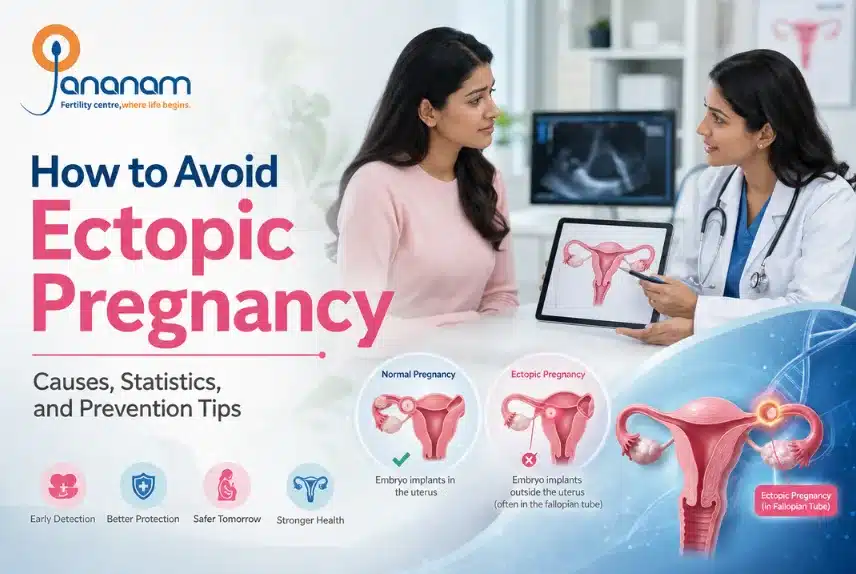

- By: Jananam Fertility Centre
- July 19, 2026

How to Avoid Ectopic Pregnancy: Causes, Statistics, and Prevention Tips
Finding out you are expecting can be a joyous moment, but complications can turn that joy into anxiety. An ectopic pregnancy is one such serious complication. Many individuals and couples search for how to avoid ectopic pregnancy when planning to conceive, especially if they have a history of pelvic issues or fertility struggles. This comprehensive guide will walk you through what an ectopic pregnancy is, the risk factors, vital statistics, and actionable steps to reduce your risks. If you are exploring assisted reproduction, we’ll also look at how choosing the right clinic, like the best IVF centre in Chennai, can safeguard your reproductive health.
What is an Ectopic Pregnancy?
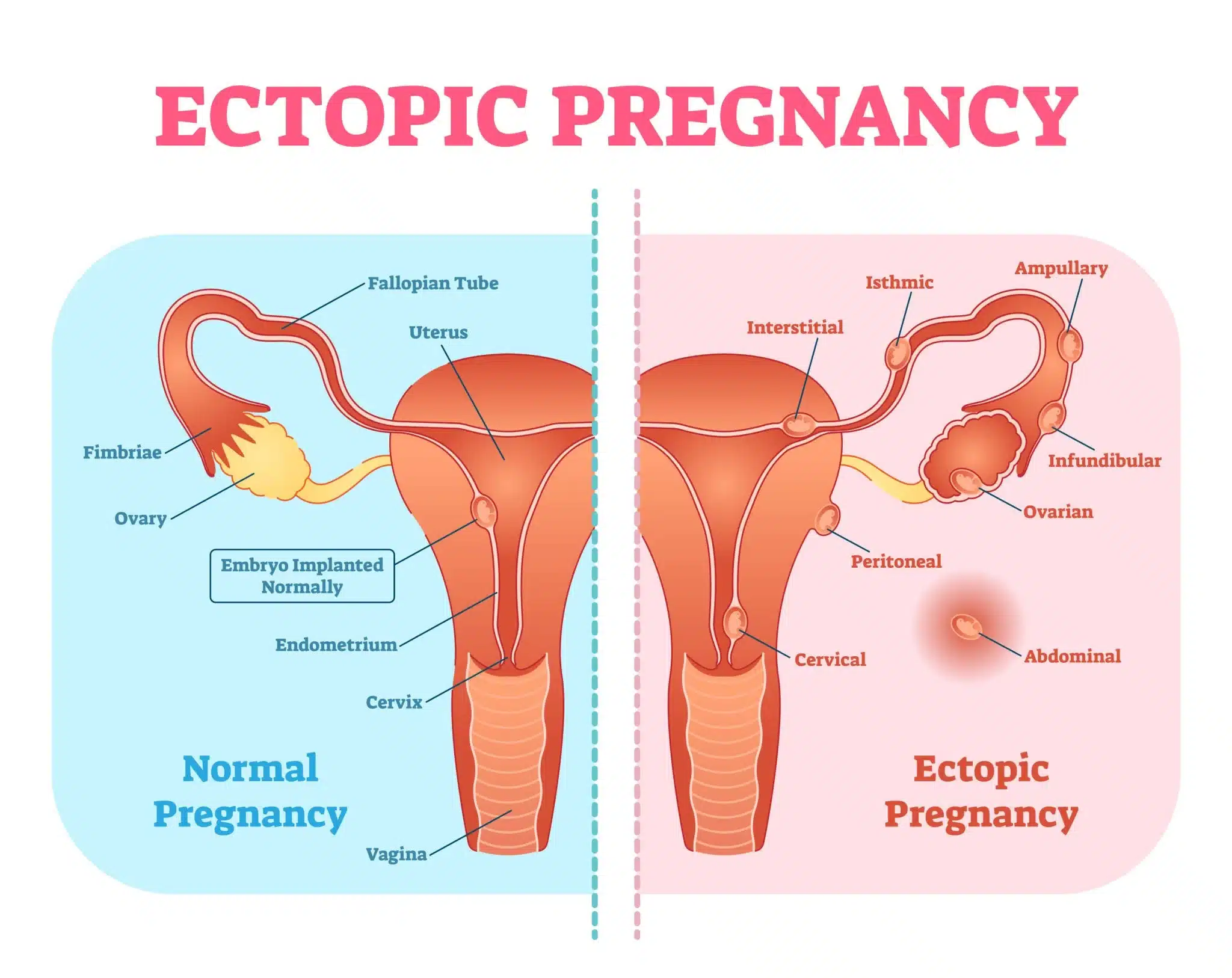
Normally, a fertilized egg travels down the fallopian tube and implants itself into the nutrient-rich lining of the uterus. An ectopic pregnancy occurs when the embryo attaches outside the uterine cavity. In about 90% to 97% of cases, this implantation happens in a fallopian tube (known as a tubal pregnancy). Because the fallopian tubes are not designed to expand and support a growing fetus, the pregnancy cannot proceed normally.
If left untreated, the growing tissue can cause the fallopian tube to rupture, leading to severe internal bleeding, hypovolemic shock, and a life-threatening medical emergency.
Common Symptoms
Often, an ectopic pregnancy may initially feel like a normal pregnancy with missed periods and tender breasts. However, warning signs usually appear between the 4th and 8th weeks. These include:
- Abdominal or pelvic pain: Often sharp, dull, or crampy, sometimes isolated to one side.
- Vaginal bleeding: May be heavier or lighter than your normal period.
- Shoulder pain: A critical sign of internal bleeding from a ruptured tube irritating the diaphragm.
- Dizziness or fainting: Caused by blood loss and rapidly dropping blood pressure.
Ectopic Pregnancy by the Numbers (Statistics)
Understanding the data helps underscore why prompt diagnosis is critical:
- General Prevalence: Ectopic pregnancies account for approximately 1% to 2% of all pregnancies worldwide.
- Assisted Reproduction: Among patients utilizing assisted reproductive technology (ART), the incidence rises slightly to about 2% to 5%.
- Maternal Health Impact: It is the leading cause of maternal mortality in the first trimester, responsible for 5% to 10% of all pregnancy-related deaths.
- Recurrence Risk: If you have had one ectopic pregnancy, your risk of having another one increases significantly (about a 10% risk after one, and over 25% after two or more).
Understanding the Risk Factors
Before exploring how to avoid ectopic pregnancy, it is essential to understand what causes it. Identifying risk factors allows you to take proactive steps.
- Pelvic Inflammatory Disease (PID): Often caused by untreated sexually transmitted infections (STIs) like chlamydia or gonorrhea, PID can create scar tissue in the fallopian tubes, preventing the egg’s smooth transit.
- Prior Ectopic Pregnancy: A history of the condition makes recurrence much more likely.
- Smoking: Tobacco use negatively impacts the microscopic hairs (cilia) inside the fallopian tubes that help move the egg along, increasing the risk of abnormal implantation.
- Maternal Age: Women aged 35 and older face a statistically higher risk.
- Tubal Surgery or Damage: Previous pelvic surgeries, including tubal ligation or surgeries for endometriosis, can lead to scarring and tubal blockage.
How to Avoid Ectopic Pregnancy: Preventive Measures
While you cannot always entirely prevent an ectopic pregnancy, especially if you have congenital tubal anomalies or unpreventable scar tissue, you can significantly minimize your risk. Here is how to avoid ectopic pregnancy through lifestyle and medical interventions.
1. Protect Against Sexually Transmitted Infections (STIs)
Because chlamydia and gonorrhea are the leading causes of Pelvic Inflammatory Disease (PID), preventing them is your strongest defense against tubal scarring. Practice safe sex, limit your number of sexual partners, and get regular STI screenings. Early treatment of any infection dramatically reduces the chance of permanent fallopian tube damage.
2. Quit Smoking Immediately
Cigarette smoking is one of the most controllable risk factors. The chemicals in tobacco impair the function of the fallopian tubes. Quitting smoking before you try to conceive not only lowers your ectopic pregnancy risk but also improves your overall fertility and health.
3. Manage Endometriosis and Pelvic Health
If you suffer from endometriosis, the tissue that normally lines the inside of your uterus grows outside of it, potentially causing pelvic scarring. Regular check-ups and managing the condition under the care of a gynecologist can help maintain the integrity of your reproductive organs.
4. Early Monitoring for High-Risk Pregnancies
If you have a history of ectopic pregnancy, PID, or tubal surgery, inform your doctor the moment you discover you are pregnant. Your healthcare provider can track your Human Chorionic Gonadotropin (hCG) hormone levels and perform an early transvaginal ultrasound (usually around 5 to 6 weeks) to confirm that the embryo has implanted safely inside the uterus.
To see exactly where and why abnormal implantation occurs compared to a healthy pregnancy, explore this interactive breakdown:
The Role of IVF and Finding the Right Care
For women with severely damaged or blocked fallopian tubes, getting pregnant naturally poses a high risk of ectopic pregnancy. In these cases, In Vitro Fertilization (IVF) is often the safest path forward. During IVF, the fallopian tubes are bypassed entirely; the egg is fertilized in a lab, and the embryo is placed directly into the uterus.
Understanding IVF benefits is vital for those with tubal factor infertility. IVF not only drastically improves the chances of a healthy, viable pregnancy but also offers genetic screening options and better control over the implantation environment.
When navigating fertility challenges, the expertise of your medical team is paramount. If you are located in southern India, seeking out a top-tier Fertility Centre in Chennai can make all the difference. Advanced monitoring and highly skilled embryo transfers reduce the already low risks of ectopic implantation during IVF. Consulting the Best IVF doctor in Chennai ensures that your reproductive history is thoroughly evaluated and the embryo transfer is performed with absolute precision. Choosing the best IVF centre in Chennai gives you access to state-of-the-art ultrasound imaging and hormonal monitoring, safeguarding your pregnancy from day one.
Comparing Intrauterine and Ectopic Pregnancies
| Feature | Normal Intrauterine Pregnancy | Ectopic Pregnancy |
| Implantation Site | Inside the uterus | Outside the uterus (mostly fallopian tubes) |
| Viability | Can develop into a full-term baby | Non-viable; cannot survive |
| hCG Hormone Levels | Doubles every 48 to 72 hours early on | Rises slowly or irregularly |
| Symptoms | Nausea, fatigue, missed period | Sharp abdominal pain, vaginal bleeding, shoulder pain |
| Ultrasound Finding | Gestational sac visible in the uterus | Empty uterus; mass visible in the fallopian tube |
People Also Search For
When researching how to avoid ectopic pregnancy, individuals frequently explore these related topics:
- Signs of tubal pregnancy rupture
- Methotrexate treatment for ectopic pregnancy
- How long to wait to get pregnant after an ectopic pregnancy
- Causes of Pelvic Inflammatory Disease
- Ultrasound at 5 weeks: no yolk sac
- Heterotopic pregnancy symptoms
- Tubal factor infertility treatments
Frequently Asked Questions (FAQs)
1. Can an ectopic pregnancy be moved to the uterus?
No, medical science currently does not have the technology to safely detach an implanted embryo from a fallopian tube and reimplant it into the uterus. An ectopic pregnancy must be treated with medication (like Methotrexate) or surgery to prevent life-threatening complications to the mother.
2. Can I have a healthy pregnancy after an ectopic one?
Absolutely. Many women go on to have completely normal, healthy intrauterine pregnancies after experiencing an ectopic one. However, your risk for a repeat ectopic pregnancy is slightly higher, so early medical monitoring in future pregnancies is crucial.
3. Does using an Intrauterine Device (IUD) cause ectopic pregnancy?
An IUD is highly effective at preventing pregnancy altogether. However, if a pregnancy does occur while an IUD is in place (which is very rare), there is a higher probability that it will be ectopic compared to pregnancies that occur without an IUD.
4. How soon can an ultrasound detect an ectopic pregnancy?
A transvaginal ultrasound can usually detect the location of a pregnancy around 5 to 6 weeks after your last menstrual period. If your hCG levels are above a certain threshold (usually over 2000 mIU/mL) but the uterus is empty, an ectopic pregnancy is highly suspected.
5. How do I know if my fallopian tubes are blocked?
Blocked fallopian tubes rarely cause daily symptoms. They are usually discovered during an infertility workup using a specialized X-ray procedure called a Hysterosalpingogram (HSG), which involves flushing dye through the uterus and tubes to look for blockages.
Conclusion

An ectopic pregnancy is a heartbreaking and physically dangerous complication. While you cannot change your past medical history, understanding how to avoid ectopic pregnancy empowers you to take control of your reproductive future. By quitting smoking, protecting yourself against STIs, managing pelvic inflammation, and partnering with highly qualified fertility specialists, you can drastically reduce your risks. If you suspect you may be experiencing symptoms of an ectopic pregnancy, seek emergency medical care immediately.
Clinical references
Independent clinical guidance relevant to this topic:


