





- By: Jananam
- March 17, 2025

Understanding IUI
Understanding IUI treatment starts with what the procedure replaces. In intrauterine insemination, washed and concentrated sperm are placed directly into the uterus around ovulation, so they bypass the vagina and cervix and begin much closer to the egg in the fallopian tube. It is less invasive than IVF and is usually tried first.
What is IUI?
Intrauterine insemination places washed and concentrated sperm directly into the uterus around the time of ovulation. It shortens the distance sperm must travel and bypasses the cervix. It requires at least one open fallopian tube and reasonable semen parameters.
A complete guide for you to understand the process of Intra-Uterine Insemination. Read the blog for a detailed information.
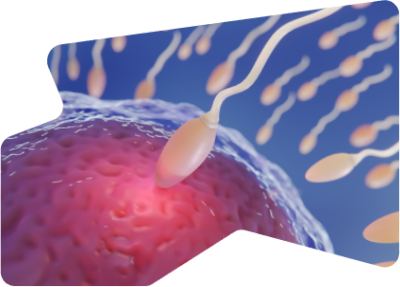
Ovulation normally occurs around day 14 in a 28 day cycle. Ovulation means that the egg which grows in a fluid filled sac called the ‘follicle’ is released. This egg is then picked up by the fallopian tube and the egg travels along the tube towards the uterine cavity. After intercourse, sperms are deposited in the upper vagina. Normally, for pregnancy to occur these sperms must swim from the upper vagina into the uterus through the cervix and then reach the egg within the fallopian tube. ‘Fertilization’ or union of the egg with the sperm to form the ‘embryo’ occurs in the fallopian tube after which the embryo travels to the uterus where it implants and grows.
What is intrauterine insemination (IUI)?
Here, we collect semen from the male partner and process (called sperm wash) it by separating the fast, active sperms from debris and dead sperms. We then confirm that the follicle has ruptured and that the egg has been released by doing a scan. After confirmation, we place the washed sperms inside the uterus bypassing the cervix. Therefore, the aim is to place active sperms closer to the egg to facilitate fertilization.
When is IUI advised?
1. Anovulatory infertility
This is when a woman fails to produce an egg regularly on her own. The most common reason is polycystic ovary syndrome. Here, we usually assist egg growth and release by oral medication and/or injections. This is called ovulation induction. We usually advise intercourse when egg release has been confirmed by scan for up to 12 consecutive months. If they still fail to become pregnant, the next step is IUI.
2. Male problems
Very often, IUI is advised when the sperm count is moderately low with poor motility. Another reason may be sexual dysfunction wherein the male partner is unable to participate in normal intercourse.
3. Endometriosis
This is a condition where the lining which is within the uterine cavity (called endometrium) begins to grow in other places – namely the inside of the abdomen, covering the ovaries etc. Endometriosis can be of varying severity and is diagnosed by a laparoscopy. Endometriosis reduces your chance of conceiving and we often advise IUI to increase your chance to conceive.
4. Unexplained infertility
Nearly 30% of couples who are investigated because they have not conceived have no identifiable problem. They have regular periods, they have normal fallopian tubes and the male partner has a normal sperm count/motility. This is termed ‘unexplained infertility’. These couples also need treatment to conceive and we often advise IUI
5. Sperm freezing
In certain situations where the male partner has a medical problem like cancer requiring chemotherapy, we will be able to freeze the sperms before treatment to preserve sperms. We can then use it by IUI later. Similarly, in men travelling overseas we could freeze the sperms for use during IUI
6. Donor sperms
Men who have no sperms may choose to have donor sperms. This will require IUI too. In other cases, men may carry a genetic disease and yet choose to have sperm donation to prevent passing on the problem to their offspring.
Folic Acid
This should be started at least a month before starting treatment. This is advised because it reduces the risk of spina bifida in your baby.
Food
We advise you to eat a balanced diet with plenty of vegetables and fruit.
Smoking
Both smoking and inhalation of smoke (passive smoking) should be avoided.
How a normal pregnancy occur
Normally, after intercourse sperms will be deposited high up in the vagina near the opening to the uterus called the cervix. From here they have to swim up through the uterus to meet the egg.
The egg, after release from the ovary will be picked up by the fallopian tube.
The egg will be transported through the tube by contractions of the muscle coat of the tube.
The sperms have to travel into the tube to meet the egg. The tube is where fertilization occurs. The fertilized egg, which will later form the baby will then be transported to the uterus where further growth will occur.
How does IUI help?
In IUI, sperms which are made more active by a special preparation are placed inside the uterus after egg release is confirmed by scan. This will increase the chance of becoming pregnant.
What treatment does the woman have?
Usually after a scan and blood tests on Day 2/3 of the cycle, the patient will be started on tablets and/ or injections which will stimulate egg formation.
Eggs grow within fluid filled sacs called follicles. By doing internal scans from day 6 or so we can assess growth of these follicles. When the follicle reaches a suitable size, we will give an injection which will help the follicle to burst and release the egg.
What happens after the follicle releases the egg?
At this time, we obtain a sample of semen and process it by a special process in the lab. This makes the sperms very active.
What do we do with the specially prepared sperms?
We perform ‘intrauterine insemination’. This causes no pain and is not done under anaesthesia. We insert a very thin tube into the uterus. The prepared sperms are then injected gently inside the uterus through the tube. With the sperms being placed closer to the egg, the chance of pregnancy is improved.
What is the chance of success with IUI treatment?
IUI has a success rate of 12 – 15 % at best. But with repeated and consecutive attempts (a maximum of 3 – 4 depending on the reason for IUI) the success rate will rise to approximately 40%.
Do I need to rest in bed after IUI?
It is unnecessary to rest after IUI. Resting does not increase your chance of getting pregnant.
When will I know whether I am pregnant?
We will do a urine pregnancy test 16 days after the IUI if you have not had a period by then.
Related reading
Frequently asked questions
What is IUI?
Intrauterine insemination places washed and concentrated sperm directly into the uterus around the time of ovulation. It shortens the distance sperm must travel and bypasses the cervix.
Who is IUI suitable for?
IUI requires at least one open fallopian tube and reasonable semen parameters. It is commonly considered for mild male factor infertility, for unexplained infertility, and where donor sperm is used.
How is IUI different from IVF?
In IUI, fertilisation happens inside the body after sperm are placed in the uterus. In IVF, eggs are collected and fertilised in the laboratory before an embryo is transferred.
Clinical references
Independent clinical guidance relevant to this topic:
- ACOG — Polycystic ovary syndrome (PCOS)
- NICE CG156 — Fertility problems: assessment and treatment
- WHO — Infertility fact sheet
Watch: Natural Pregnancy vs. IUI | Which is Right for You..?
Dr. Vani Sundarapandian explains this on the Jananam Fertility Centre channel.


