




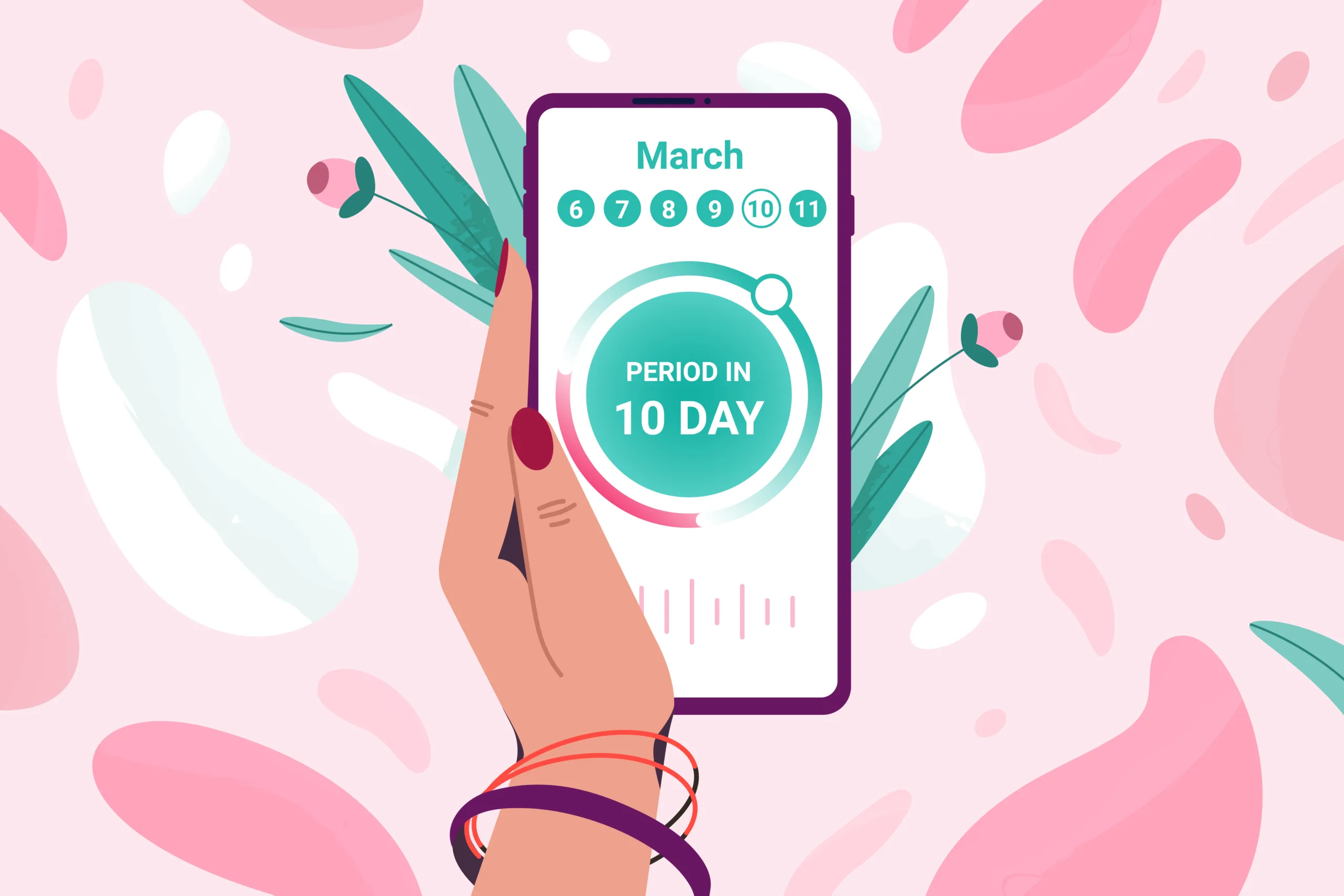

- By: Jananam Fertility Centre
- April 28, 2026

How to Interpret and Trust Your Fertility Tracking Amid Conflicting Medical Advice
Navigating the journey to parenthood can be a deeply personal and sometimes challenging experience. In an age of information overload, the very tools designed to help can become a source of confusion and anxiety. You might be meticulously charting your cycle, only to receive conflicting advice from different apps, articles, or even well-meaning friends. This guide is designed to cut through the noise, providing a clear, evidence-based path to understanding and trusting your fertility tracking data. At Jananam Fertility, we believe that knowledge is the first step toward empowerment, and we are here to walk this path with you, combining clinical expertise with genuine compassion.
What is Fertility Tracking? Understanding the Basics
At its core, fertility tracking is the process of identifying your most fertile days to optimise the chances of conception. This crucial period, known as the “fertile window,” is often misunderstood. It is not just a single day but a span of about six days: the five days leading up to ovulation and the day of ovulation itself. This is when intercourse is most likely to result in pregnancy, as sperm can survive in the female reproductive tract for up to five days, waiting for an egg to be released.
Many believe ovulation is a fixed event, happening like clockwork on day 14 of a 28-day cycle. However, this is a significant misconception. A revealing study published in *npj Digital Medicine* highlights the high variability of ovulation timing among women. The research indicates that only about 30% of women have a fertile window that falls within the “textbook” days 10 to 17 of their cycle. For the other 70%, the fertile window occurs earlier or later. This variability underscores why generic advice often fails and why personalised fertility tracking is not just helpful, but essential for effective reproductive planning. By understanding your unique cycle, you move from guessing to making informed, data-driven decisions on your path to conception.
How Does Fertility Tracking Work? Key Methods Explained
Understanding the methods behind fertility tracking empowers you to choose the right tools for your body and lifestyle. These techniques, often called fertility awareness methods, work by monitoring physiological signs that change in response to the hormonal fluctuations of your menstrual cycle.
- Basal Body Temperature (BBT) Monitoring: This involves taking your temperature with a sensitive thermometer every morning at the same time, before getting out of bed. After ovulation, the release of the hormone progesterone causes a slight but sustained increase in your BBT (around 0.5°F or 0.3°C). While basal body temperature charting can confirm that ovulation has *already occurred*, it is a retrospective indicator and less effective for predicting the fertile window in real-time.
- Cervical Mucus Monitoring: Throughout your cycle, the consistency and appearance of your cervical mucus change. As you approach ovulation, rising estrogen levels cause the mucus to become clear, slippery, and stretchy, resembling raw egg whites. This “fertile-quality” mucus helps sperm travel through the cervix to reach the egg. Cervical mucus monitoring is a powerful, real-time indicator of impending ovulation and is a cornerstone of many natural fertility methods.
- Urinary Hormone Testing: These tests, commonly known as Ovulation Prediction Kits (OPKs) or digital ovulation monitors, detect specific hormones in your urine.
- Luteinizing Hormone (LH): Standard OPKs work by detecting the surge in LH that typically occurs 24-36 hours before ovulation. A positive test signals that your fertile window is at its peak.
- Advanced Monitors: More sophisticated monitors also track estrone-3-glucuronide (E3G), a urinary metabolite of estrogen. Tracking E3G can identify the start of the fertile window even before the LH surge, providing a wider timeframe for conception. Some advanced systems can also detect pregnanediol glucuronide (PdG), a metabolite of progesterone, to confirm that ovulation was successfully completed. An article in *Frontiers in Global Women’s Health* details how this multi-hormone approach provides a comprehensive view of the cycle.
- Period Tracking Apps: These apps have become incredibly popular for their convenience. Simple period tracking apps use the calendar method, predicting your fertile window based on past cycle lengths. More advanced apps allow you to input data from BBT, cervical mucus, and OPKs, using algorithms to refine their predictions. However, their accuracy varies widely, which we will explore next.
Accuracy of Fertility Tracking Tools: What You Need to Know
When you are relying on a tool for something as important as starting your family, its accuracy is paramount. Unfortunately, not all fertility tracking methods are created equal, and it is vital to understand their limitations.
The accuracy of traditional methods like calendar-based period tracking apps can be low, especially for women with irregular cycles. Because they rely on past data to predict the future, they cannot adapt to natural cycle variations caused by stress, travel, or illness.
In contrast, recent advancements in wearable digital technologies (WDTs) have shown remarkable promise. A comprehensive review in *npj Digital Medicine* analyzed the performance of these devices, which integrate AI algorithms with multiple physiological parameters like heart rate, skin temperature, and sleep patterns. The study found that these sophisticated systems achieve a pooled accuracy of 88% in detecting the fertile window. This makes them significantly more reliable than relying on BBT or calendar methods alone.
However, it is crucial to temper expectations. The same study notes that even the best technologies are not perfect. Their accuracy can be affected by system biases and are most effective for women with relatively regular cycles. Furthermore, most current tools are designed to detect ovulation within a ±3-day window, which is helpful but does not capture the full biological fertile window of up to six days. This is where the digital ovulation monitor accuracy conversation becomes nuanced; while they offer high precision in pinpointing the peak, they may not identify the early days of the fertile window, which are also valuable for conception.
The key takeaway is to choose tools that are clinically validated and, ideally, integrate multiple data points rather than relying on a single metric.
Common Myths and Misconceptions about Fertility and Ovulation Tracking
The path to conception is often clouded by persistent myths that can cause unnecessary stress and misdirected effort. Debunking these with scientific facts is crucial for a more empowered and effective fertility journey.
Myth 1: Ovulation always occurs on Day 14.
This is perhaps the most widespread misconception. As highlighted in research from the *Reproductive Health Journal*, only a small minority of women consistently ovulate on day 14. Cycles vary, and your personal ovulation day can differ from month to month. Believing in a fixed day can lead you to completely miss your fertile window.
Myth 2: A positive OPK guarantees ovulation.
An Ovulation Prediction Kit (OPK) detects the surge in Luteinizing Hormone (LH) that *triggers* ovulation. It is a strong predictor, but it does not confirm that an egg was actually released. In some cases, such as in women with Polycystic Ovary Syndrome (PCOS) or Luteinized Unruptured Follicle Syndrome (LUFS), an LH surge can occur without ovulation following. Relying solely on OPKs for ovulation tracking without confirmatory signs (like a sustained BBT rise) can be misleading.
Myth 3: My period tracking app knows my body best.
While convenient, many period tracking apps are not as accurate as they claim. If an app only asks for your period start and end dates, it is using a simple calendar algorithm that cannot account for your unique biological fluctuations. An app’s predictions are only as good as the data you feed it. Without inputs like BBT, cervical mucus, or hormone test results, its fertile window prediction is merely an educated guess.
Myth 4: Basal body temperature can predict ovulation.
As discussed earlier, the temperature shift in basal body temperature charting happens *after* progesterone levels rise, which occurs post-ovulation. Therefore, BBT is a tool for confirming ovulation, not predicting it. It helps you understand your cycle pattern over time but won’t give you advance notice of your fertile window in the current cycle.
True fertility awareness methods are most effective when they integrate multiple parameters—such as combining cervical mucus monitoring with BBT and hormone testing—and require education to interpret the signals correctly.
When and Why to Seek Fertility Care: Patient Insights and Decision Factors
Knowing when to seek fertility care is a deeply personal decision, influenced by a blend of practical, emotional, and medical factors. While fertility tracking at home is a powerful first step, it is also important to recognise when professional guidance is needed.
Guidelines generally suggest consulting a fertility specialist if:
- You are under 35 and have been trying to conceive for one year without success.
- You are 35 or older and have been trying for six months.
- You have a known condition that could affect fertility, such as irregular cycles, PCOS, endometriosis, or a history of pelvic inflammatory disease.
- Your partner has a known or suspected male-factor infertility issue.
Beyond these clinical guidelines, there are other important fertility care decision factors. Perhaps your tracking data is consistently confusing, or you feel an overwhelming sense of anxiety each month. These emotional burdens are valid reasons to seek support.
Furthermore, what if you are already in treatment but feel unheard or uncertain about the plan? Seeking a second opinion is not a sign of distrust; it is an act of advocacy for your own health. A blog post by Dr. Natalie Crawford, a respected fertility expert, outlines clear situations where this is appropriate. You should consider a second opinion if:
- You have undergone two or more unsuccessful treatment cycles (like IUI or IVF) without a clear explanation for the failure.
- Your treatment protocol has not been adjusted based on your body’s unique response.
- You feel there is a lack of communication, transparency, or partnership with your current care team.
- You are facing a major decision, such as moving to donor gametes or surrogacy, and want to ensure all other avenues have been thoroughly explored.
Your journey is unique, and you deserve a care team that listens, adapts, and partners with you every step of the way.
Fertility Tracking and Fertility Care in Chennai: Local Considerations
For families in Chennai, the journey toward parenthood comes with its own unique context. While the biological principles of fertility are universal, the cultural, social, and logistical landscape can shape the experience. The pressure to conceive can be immense, often amplified by family and community expectations. This can make the already emotional process of fertility tracking and timing intercourse feel even more stressful.
Navigating fertility care in Chennai presents both opportunities and challenges. While the city is a hub for medical excellence, with many centres offering advanced treatments, accessibility can be a concern. Patients often struggle with finding a clinic that not only has the right technology but also provides the emotional and psychological support needed to navigate this sensitive journey.
At Jananam Fertility, we are acutely aware of these local considerations. We see our role as extending beyond medical procedures. We strive to create a safe, non-judgmental space where you can openly discuss your anxieties, ask questions about your ovulation tracking charts, and feel understood. Our team is trained to address the unique social pressures faced by families in Chennai, offering counseling and support that honours your cultural context while providing world-class medical care. We believe that compassionate communication is just as important as clinical precision, ensuring you feel supported not just as a patient, but as a person.
Jananam Fertility’s Unique Approach: Integrating Technology with Compassion
When home fertility tracking leads you to seek professional help, choosing the right partner is the most critical decision you will make. At Jananam Fertility, our approach is built on two pillars: unparalleled clinical expertise and a foundational commitment to compassionate, patient-centered care. We seamlessly integrate cutting-edge technology with the human touch that this journey demands.
A significant part of “The Jananam Edge” comes from the leadership of our founder, Dr. Vani Sundarapandian. With over 25 years of specialized expertise in fertility and reproductive medicine, Dr. Vani brings a depth of knowledge that is simply irreplaceable. Her experience goes far beyond standard protocols; she has successfully managed thousands of unique and complex cases, developing an intuitive understanding of how to tailor treatment to each individual’s needs. When you entrust your care to Jananam, you are benefiting from decades of hands-on experience and a steadfast dedication to achieving your dream of parenthood.
The second cornerstone of our success is our state-of-the-art infrastructure, specifically our Certified Cleanroom Lab. For an embryo, the first few days in the laboratory are the most critical of its life. Our lab is designed with a positive pressure sterile air system, ensuring that the air quality is exceptionally pure and free from volatile organic compounds (VOCs), dust, and microbes that can harm fragile embryos. This is not just a technical feature; it is a promise of quality that directly translates to better outcomes. For patients with challenging conditions, such as low AMH or advanced maternal age where every egg and embryo is precious, the pristine environment of our cleanroom lab significantly improves the chances of successful embryo development, leading to higher implantation rates and healthier pregnancies.
This combination of seasoned expertise and an uncompromising lab environment is how we deliver hope and results, even in the most complex fertility cases.
Getting Started with Fertility Tracking: Practical Tips and Recommendations
Embarking on your fertility tracking journey can feel exciting and a little daunting. Here are some practical, evidence-based steps to get you started on the right foot.
1. Choose Evidence-Based Tools: As research from *npj Digital Medicine* suggests, the most reliable methods are those that integrate multiple physiological data points. Instead of a simple calendar app, consider:
- A wearable device that tracks skin temperature, resting heart rate, and other metrics.
- Using advanced digital ovulation monitors that test for both estrogen and LH.
- Combining cervical mucus monitoring with daily basal body temperature readings to get a fuller picture of your cycle.
2. Track Consistently: Whichever method you choose, consistency is key. For BBT, this means taking your temperature at the exact same time each morning. For OPKs, it means testing as directed, often in the afternoon. Consistent data provides a clearer and more reliable pattern over time.
3. Learn to Interpret Your Data: Don’t just collect data—learn what it means. Use your charts to identify the start of your fertile window (often indicated by fertile-quality cervical mucus or a rise in estrogen) and to confirm that ovulation occurred (a sustained BBT shift). If the patterns are confusing or your cycles are irregular, this is valuable information in itself.
4. Know When to Consult a Specialist: If after several months your tracking data shows a lack of ovulation, highly irregular cycles, or a very short post-ovulation (luteal) phase, it’s time to bring your charts to a fertility specialist. This data is incredibly valuable for a physician, as it provides a detailed history that can speed up diagnosis and the creation of an effective treatment plan.
5. Be Patient and Kind to Yourself: Fertility tracking is a tool, not a test. It can be easy to become obsessed with the data, leading to stress that can, ironically, affect your cycle. Use the information to empower yourself, but remember to also nurture your emotional well-being and your relationship with your partner.
At Jananam Fertility, we are here to help you make sense of it all. Whether you are just getting started with fertility awareness methods or you need an expert eye to interpret complex charts, our team is ready to provide the guidance and support you deserve. Your journey is our journey.
References
1. Asch, M., Gren-Landell, M., Östlund, E. *et al*. (2025). The accuracy of digital technologies for fertility tracking: a systematic review and meta-analysis. *npj Digital Medicine*. Available at: https://www.nature.com/articles/s41746-025-02320-8
2. Freis, A., Zippl, E., Ehlers, M. *et al*. (2024). Accuracy and user perception of a novel urine-based hormone monitoring system for ovulation confirmation: a prospective cohort study. *Frontiers in Global Women’s Health*. Available at: https://pmc.ncbi.nlm.nih.gov/articles/PMC11837971/
3. Bull, J. R., Rowland, S. P., Scherwitzl, E. B., *et al*. (2025). Real-world menstrual cycle characteristics of more than 600,000 menstrual cycles. *Reproductive Health Journal*. Available at: https://reproductive-health-journal.biomedcentral.com/articles/10.1186/s12978-025-02083-1
4. Crawford, N. (n.d.). When to Seek a Second Opinion. [Blog post]. Retrieved from https://www.nataliecrawfordmd.com/blog-1/when-to-seek-second-opinion
How do you track your fertility accurately?
The sections above set out the detail; the short answer is that the decision rests on your age, how long you have been trying, and what your test results show rather than on a fixed rule.
Related reading
Clinical references
Independent clinical guidance relevant to this topic:


