





- By: Jananam Fertility Centre
- April 28, 2026

Thyroid and Fertility: Understanding the Connection
For many couples dreaming of starting a family, the path to conception can feel filled with unexpected questions and challenges. One of the most significant yet often overlooked factors is the delicate balance of your thyroid gland. Understanding the profound connection between your thyroid and fertility is the first, most empowering step towards taking control of your reproductive health. If you have been diagnosed with a thyroid disorder or suspect it might be impacting your ability to conceive, know that you are not alone, and clear, effective solutions exist.
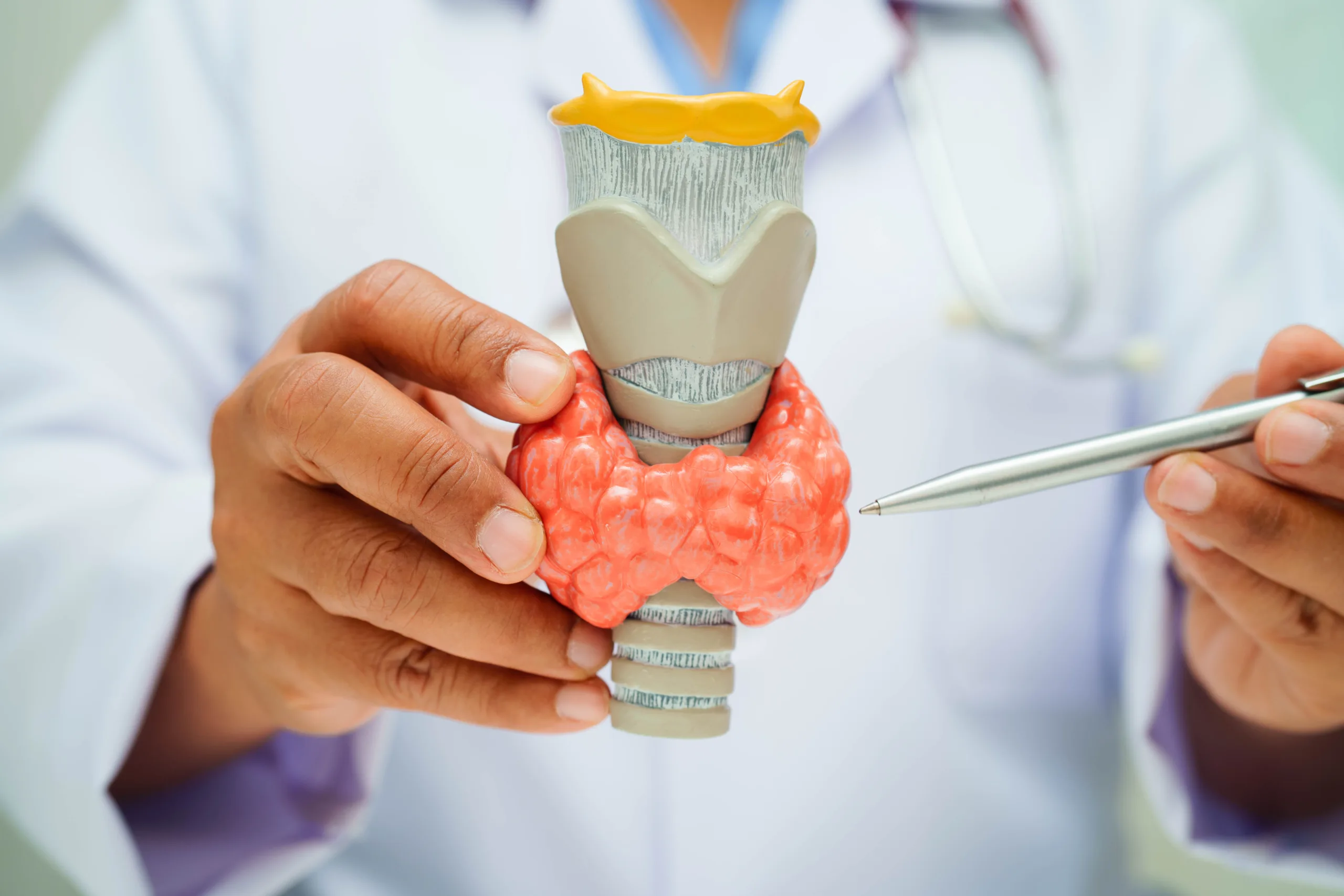
The thyroid, a small butterfly-shaped gland at the base of your neck, is the master regulator of your body’s metabolism. Its hormones influence everything from your heart rate and energy levels to, crucially, your reproductive system. Even minor imbalances can have a ripple effect, disrupting the intricate hormonal symphony required for conception and a healthy pregnancy. A recent scientific review highlights that thyroid dysfunction, whether it’s an underactive thyroid (hypothyroidism), an overactive one (hyperthyroidism), or an autoimmune condition, is significantly linked to challenges with fertility, including ovulation, implantation, and pregnancy outcomes (Diabetes & Metabolic Syndrome, 2023). This guide is designed to walk you through this connection, offering clarity, evidence-based insights, and a hopeful path forward for aspiring parents in Chennai.
How do thyroid hormones affect female and male fertility?
The influence of thyroid hormones on reproduction is deep and multifaceted, affecting both female and male partners. These hormones are essential for the proper functioning of the hypothalamic-pituitary-ovarian (HPO) axis in women—the complex communication network that governs your menstrual cycle.
For women, a healthy thyroid is critical for:
- Regular Ovulation: Thyroid hormones interact directly with reproductive hormones like estrogen and progesterone to ensure the timely maturation and release of an egg each month. Disturbances in thyroid hormone and conception pathways can lead to irregular or absent ovulation (anovulation). Landmark reviews in endocrinology note that hypothyroidism and fertility are linked because an underactive thyroid can cause an increase in another hormone, prolactin, which can directly suppress ovulation (Krassas et al., 2010).
- A Healthy Menstrual Cycle: The regularity, flow, and duration of your period are all influenced by thyroid function. Imbalances can cause periods that are too heavy, too light, or completely unpredictable, making it difficult to time intercourse for conception.
- Successful Implantation: For a pregnancy to begin, a fertilized embryo must successfully implant into the uterine lining. Thyroid hormones play a role in preparing a receptive and healthy endometrium.
For men, thyroid health is equally important:
While often considered a female issue, thyroid disorders fertility impact is significant in men too. The same comprehensive review from *Endocrine Reviews* points out that hyperthyroidism can lead to a reduced sperm count, motility (movement), and morphology (shape). Similarly, hypothyroidism can also negatively affect sperm quality and libido. The good news is that for many men, restoring normal thyroid function can lead to a marked improvement in these fertility parameters.
Common Thyroid Disorders Impacting Fertility
Three primary types of thyroid disorders can interfere with your journey to parenthood. Understanding which one you may be dealing with is key to finding the right treatment.
- Hypothyroidism (Underactive Thyroid): This is the most common thyroid disorder affecting fertility. When your thyroid doesn’t produce enough hormones, your entire metabolism slows down, including your reproductive processes. This can lead to anovulation, defects in the luteal phase (the second half of your cycle after ovulation), and an increased risk of miscarriage. Subclinical hypothyroidism, where TSH levels are mildly elevated but hormone levels are still in the normal range, is also a significant concern for those trying to conceive.
- Hyperthyroidism (Overactive Thyroid): When the thyroid produces too many hormones, it speeds up your body’s processes, creating a state of metabolic overdrive. This can cause severe menstrual irregularities, making conception challenging. If pregnancy does occur with untreated hyperthyroidism, there is an elevated risk of complications, including maternal high blood pressure and miscarriage.
- Autoimmune Thyroiditis (e.g., Hashimoto’s Disease): This is a condition where your immune system mistakenly attacks your thyroid gland. The presence of thyroid antibodies fertility challenges are a focus of much research. Studies show that even with normal thyroid hormone levels, the presence of these antibodies (like Thyroid Peroxidase (TPO) antibodies) can negatively affect ovarian reserve, embryo implantation, and IVF success rates, potentially increasing the risk of miscarriage.
Thyroid Testing for Fertility: What to Expect
If you are struggling to conceive, comprehensive thyroid testing for infertility is not just a good idea—it’s essential. A simple blood test can provide a wealth of information and guide your treatment plan. A full fertility-focused thyroid panel goes beyond a basic check-up and should include:
- Thyroid-Stimulating Hormone (TSH): This is the most sensitive marker for thyroid function. Your pituitary gland produces TSH to “tell” your thyroid to make hormones. A high TSH suggests hypothyroidism, while a low TSH suggests hyperthyroidism. For fertility, the goal is not just to be “in range” but to be *optimal*. According to clinical guidelines, the optimal TSH levels fertility experts aim for is below 2.5 mIU/L before and during pregnancy (Diabetes & Metabolic Syndrome, 2023).
- Free T4 and Free T3: These are the active thyroid hormones circulating in your blood. Measuring them gives a direct picture of your thyroid’s output. Low levels are seen in hypothyroidism, and high levels in hyperthyroidism.
- Thyroid Antibodies (TPOAb and TgAb): Testing for Thyroid Peroxidase (TPO) and Thyroglobulin (Tg) antibodies is crucial. Their presence indicates an autoimmune thyroid condition, which requires specific management strategies even if TSH levels are only mildly elevated, especially for patients undergoing ART. The American Society for Reproductive Medicine (ASRM) guidelines suggest considering treatment for women with TSH levels between 2.5 and 4.0 mU/L who are TPO antibody positive and undergoing IVF (ASRM, 2015).
Managing Thyroid Disorders to Improve Fertility
Receiving a diagnosis of a thyroid disorder can feel daunting, but the most important message is one of hope: these conditions are highly treatable. The goal of thyroid treatment and fertility management is to restore a state of hormonal balance, known as euthyroidism, to give you the best possible chance of conceiving and sustaining a healthy pregnancy.
Management typically involves a multi-pronged approach:
- Medication:
- For hypothyroidism and fertility, the standard treatment is a daily dose of a synthetic thyroid hormone called levothyroxine. This medication is safe, effective, and identical to the hormone your own body makes. The dosage is carefully adjusted to bring your TSH below the recommended 2.5 mIU/L threshold.
- For hyperthyroidism and pregnancy, management is more complex. Antithyroid drugs are used to reduce hormone production. According to the British Thyroid Foundation, propylthiouracil (PTU) is often the preferred choice in the first trimester of pregnancy, after which methimazole may be used.
- Regular Monitoring: Your thyroid levels don’t just need to be checked once. It’s crucial to monitor them regularly, especially after starting medication, during fertility treatments like IVF, and throughout pregnancy, as your body’s needs for thyroid hormone will increase.
- Lifestyle and Nutrition: While medication is the cornerstone of treatment, a supportive lifestyle can make a significant difference. This includes:
- Managing Stress: Chronic stress can impact hormonal balance. Practices like yoga, meditation, and gentle exercise can be beneficial.
- A Balanced Diet: Focus on a nutrient-rich diet with adequate iodine, selenium, and zinc, which are all important for thyroid health. Work with your doctor or a nutritionist to ensure your diet supports your specific condition.
- Sufficient Sleep: Aim for 7-9 hours of quality sleep per night to support overall hormonal regulation.
Thyroid and Assisted Reproductive Technologies (ART) Including IVF
For couples turning to Assisted Reproductive Technologies (ART) like IUI or IVF, optimizing thyroid health is absolutely non-negotiable. The success of these highly sophisticated and emotionally invested treatments depends on every biological factor being as ideal as possible, and the thyroid is a key player.
Here’s how an unmanaged thyroid disorder can impact an IVF cycle:
- Poor Ovarian Response: Thyroid dysfunction can impair how your ovaries respond to the stimulation medications used in IVF, potentially leading to fewer eggs being retrieved.
- Compromised Egg Quality: The hormonal environment in which your eggs mature is critical. An imbalanced thyroid can negatively affect egg quality, reducing the chances of successful fertilization.
- Reduced Implantation Rates: The presence of thyroid antibodies, and the hormonal imbalances of both hypo- and hyperthyroidism, can make the uterine lining less receptive to the implanting embryo.
- Increased Miscarriage Risk: Even if implantation occurs, untreated thyroid disorders are a well-established risk factor for early pregnancy loss.
Therefore, at any reputable fertility clinic, your thyroid status will be thoroughly evaluated and stabilized *before* you begin an ART cycle. This proactive approach, ensuring your TSH is firmly below 2.5 mIU/L and any autoimmune factors are addressed, is a foundational step to maximizing your chances of IVF success.
When to See a Fertility Specialist for Thyroid-Related Issues
While your GP or an endocrinologist can diagnose and manage a thyroid condition, a fertility specialist brings an essential layer of expertise, integrating your thyroid health directly into a comprehensive plan for conception. You should consider consulting a fertility specialist if:
- You have been trying to conceive for over a year (or six months if you are over 35) without success.
- You have a known diagnosis of a thyroid disorder (hypothyroidism, hyperthyroidism, or Hashimoto’s) and are planning to start a family.
- You are experiencing symptoms of a thyroid imbalance, such as significant fatigue, unexplained weight changes, hair loss, and menstrual irregularities.
- You have a history of recurrent miscarriages.
- You are planning to undergo IVF or other fertility treatments.
Early consultation allows for an integrated care plan where your thyroid management is perfectly synchronized with your fertility journey from day one, preventing delays and optimizing outcomes.
Why this Matters for Families in Chennai: Local Insights and Jananam’s Cleanroom Lab Advantage
For families in a vibrant and demanding city like Chennai, managing health can feel like another item on a long to-do list. The stresses of modern urban life can sometimes exacerbate underlying health issues, including hormonal imbalances. At Jananam Fertility, we understand the local context and are dedicated to providing care that is not only world-class but also deeply empathetic to the needs of Chennai families.
Your fertility journey requires a partnership built on trust and unparalleled expertise. This is embodied by our founder, Dr. Vani Sundarapandian, whose 25+ years of specialized experience in reproductive medicine form the bedrock of our clinic. Her deep understanding of complex cases, including the intricate link between thyroid and fertility, ensures that your care plan is not a template, but a personalized strategy tailored to your unique biology.
Furthermore, success in fertility treatment, especially when dealing with potentially compromised egg or embryo quality due to conditions like thyroid disorders, hinges on the environment where your future family begins. This is why Jananam is proud to feature a state-of-the-art Certified Cleanroom Lab. This is not a common feature; it is a clinical advantage. A cleanroom maintains air quality at a standard hundreds of times purer than a normal environment, eliminating contaminants like dust, microbes, and volatile organic compounds (VOCs) that can be toxic to delicate embryos. For a patient whose fertility is already challenged by a thyroid condition, giving every single embryo the best possible chance in a pristine, protected environment is a critical component of achieving success. It’s a testament to our commitment to leaving nothing to chance on your path to parenthood.
Frequently Asked Questions on Thyroid and Fertility
1. Is thyroid testing a routine part of a fertility workup?
Yes, absolutely. At any comprehensive fertility centre like Jananam, a full thyroid panel (TSH, Free T3/T4, and thyroid antibodies) is considered a foundational and essential part of the initial infertility investigation for both partners.
2. Can I get pregnant and have a healthy baby if I have a thyroid condition?
Yes, you can. With accurate diagnosis, proper management with medication, and consistent monitoring by your fertility specialist and endocrinologist, the vast majority of women with thyroid disorders go on to have healthy pregnancies and babies. The key is proactive management.
3. I just started levothyroxine for hypothyroidism. How long until my fertility improves?
While every individual is different, many women notice an improvement in their menstrual cycle regularity within 2-3 months of starting levothyroxine and achieving a stable TSH level. It can take a few cycles for the full benefits to your reproductive system to be realized.
4. I have thyroid antibodies but my TSH is normal. Is this still a problem for fertility?
It can be. This condition, known as “euthyroid autoimmune thyroiditis,” is linked to higher rates of unexplained infertility, implantation failure, and miscarriage. It’s crucial to discuss this with a fertility specialist, as they may recommend specific protocols, especially during IVF, to help mitigate these risks and support a successful pregnancy.
References
1. Amaratunga, A., & Sridharan, S. (2023). Thyroid disorders and female fertility. *Diabetes & Metabolic Syndrome: Clinical Research & Reviews*, 17(11), 102876. https://doi.org/10.1016/j.dsx.2023.102876
2. British Thyroid Foundation. (n.d.). *Pregnancy and fertility in thyroid disorders*. https://www.btf-thyroid.org/pregnancy-and-fertility-in-thyroid-disorders
3. Krassas, G. E., Poppe, K., & Glinoer, D. (2010). Thyroid function and human reproductive health. *Endocrine Reviews*, 31(5), 702–755. https://doi.org/10.1210/er.2009-0041
4. Practice Committee of the American Society for Reproductive Medicine. (2015). Subclinical hypothyroidism in the infertile female population: a guideline. *Fertility and Sterility*, 104(3), 545–553. https://doi.org/10.1016/j.fertnstert.2015.05.028
Related reading
Clinical references
Independent clinical guidance relevant to this topic:


