





- By: Jananam Fertility Centre
- September 11, 2026

Why is it harder to conceive a second baby?
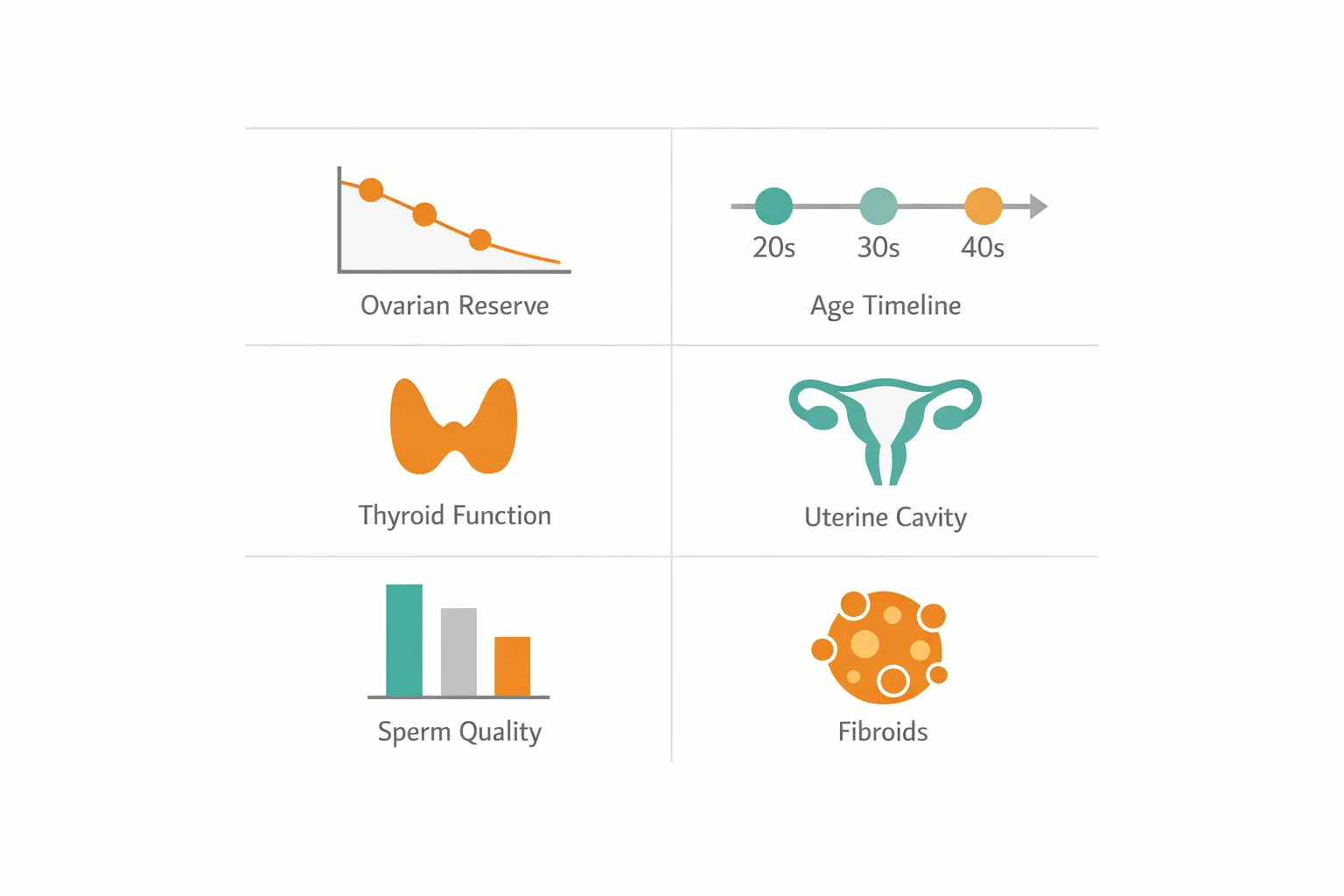
Difficulty conceiving after a previous pregnancy is called secondary infertility, and it is more common than most couples expect. A first pregnancy confirms that conception was possible at that time; it does not guarantee that the same conditions still apply. Several things change in the intervening years. Age advances for both partners, and ovarian reserve falls. Weight, thyroid function, blood sugar and lifestyle may have shifted. Conditions such as endometriosis, fibroids or polycystic ovary syndrome can progress. A previous delivery, particularly a complicated one or a caesarean, can occasionally leave uterine or tubal factors. Male fertility can also decline, and semen parameters that were adequate before may no longer be. The assessment is the same as for a first pregnancy, and the timing guidance is the same: under 35, seek review after about a year; from 35, after six months; over 40, without waiting.
Watch: Delaying Pregnancy While Planning for a Second Baby?
Dr. Vani Sundarapandian explains this on the Jananam Fertility Centre channel.
What can change between pregnancies
- Age and declining ovarian reserve in both partners
- Weight, thyroid function and blood sugar
- Progression of endometriosis, fibroids or PCOS
- Uterine or tubal factors following a previous delivery
- Changes in semen parameters
When to seek assessment
The same thresholds apply as for a first pregnancy. A previous conception is reassuring but not a reason to wait longer than you otherwise would, particularly over 35.
What assessment involves
Ovarian reserve testing, ultrasound, tubal assessment where indicated, and a semen analysis. Many couples with secondary infertility have a treatable cause.
Related: how age affects fertility and when to consult a fertility doctor.
What changes between a first and second pregnancy?
What is secondary infertility?
Difficulty conceiving after a previous pregnancy. A first pregnancy confirms conception was possible at that time; it does not guarantee that the same conditions still apply several years later.
Why is it harder the second time?
Age has advanced for both partners and ovarian reserve has fallen. Weight, thyroid function and blood sugar may have shifted, and conditions such as endometriosis, fibroids or polycystic ovary syndrome can progress in the interval.
Can a previous delivery cause it?
Occasionally. A complicated delivery or a caesarean can leave uterine or tubal factors that were not present before. This is one reason assessment includes imaging rather than assuming the anatomy is unchanged.
Does male fertility change too?
Yes. Semen parameters that were adequate before may no longer be, and male factor accounts for a substantial share of secondary infertility. Both partners are assessed, not only the woman.
When should we get checked?
The same guidance as for a first pregnancy: under 35, after about a year; from 35, after six months; over 40, without waiting. Having conceived before is not a reason to wait longer.
Is treatment different for secondary infertility?
The investigation is the same, and treatment depends on what it finds. Options range from correcting a specific cause to ovulation induction, IUI or IVF, chosen on diagnosis and age rather than on your pregnancy history.
Should the same tests be repeated for a second pregnancy?
Generally yes. Results from several years ago may no longer reflect current ovarian reserve, thyroid function or semen parameters, all of which change over time.
Does breastfeeding affect conceiving again?
It can suppress ovulation, particularly in the early months. Where cycles have not returned and you are trying to conceive, this is worth discussing rather than simply waiting.
Can treatment for secondary infertility differ from the first time?
The investigation is the same, but the plan may differ because the circumstances have. Age has advanced, ovarian reserve is lower, and any condition present before may have progressed. Where a previous caesarean or complicated delivery has left uterine or tubal changes, those need addressing in their own right. What was appropriate for a first pregnancy is not automatically appropriate several years later.
Clinical references
Independent clinical guidance relevant to this topic:
- WHO — Infertility fact sheet
- NICE CG156 — Fertility problems: assessment and treatment
- NICHD — Infertility and fertility
This page summarises guidance discussed by Dr. Vani Sundarapandian, MD, DGO, MRCOG (UK), founder and Medical Director of Jananam Fertility Centre, Neelankarai, Chennai. It is general information and not a substitute for consultation.


